Quick answer: Learn which building materials offer the best fire resistance, how they protect structures, and why fire-resistant construction can reduce fire damage.
Fire can cause devastating damage in a matter of minutes.
While smoke detectors, sprinkler systems, and fire prevention practices play a critical role in safety, the building materials used in a structure can significantly influence how a fire spreads and how much damage occurs.
No building material is completely fireproof. However, many materials are designed to resist ignition, withstand high temperatures, and slow the spread of flames. These materials can help protect structural components, improve occupant safety, and reduce restoration costs after a fire.
At Masterpros, we regularly assist homeowners and property managers throughout Hollywood, Fort Lauderdale, Hallandale Beach, Miramar, Pembroke Pines, Miami, and surrounding South Florida communities following fire and smoke damage events. One of the most common questions we hear is: "What materials hold up best during a fire?"
Why Fire-Resistant Materials Matter
Fire-resistant construction provides several important benefits:
- Slows flame spread
- Reduces structural damage
- Improves evacuation time
- Protects critical building components
- Limits heat transfer
- May reduce long-term repair costs
While fire-resistant materials cannot stop a fire entirely, they can dramatically reduce the speed at which damage occurs.
What Makes a Material Fire Resistant?
Fire-resistant materials are either naturally non-combustible or engineered to withstand high temperatures without rapidly deteriorating.
These materials are often tested and assigned fire-resistance ratings based on how long they can withstand fire exposure under controlled conditions.
Common ratings include:
- 30 minutes
- 60 minutes
- 90 minutes
- 120 minutes
Higher ratings generally provide greater protection.
Concrete
Concrete is one of the most fire-resistant construction materials available.
Because it is non-combustible and transfers heat very slowly, concrete can withstand intense heat without igniting.
Benefits include:
- Excellent fire resistance
- Structural stability
- Heat containment
- Long-term durability
Concrete is commonly used for:
- Foundations
- Structural walls
- Commercial buildings
- Multi-story construction
Its density helps protect surrounding areas from heat transfer during a fire.
Brick and Masonry
Brick is naturally resistant to fire because it is manufactured at extremely high temperatures.
Advantages include:
- Non-combustible composition
- Excellent heat resistance
- Long lifespan
- Minimal maintenance
Brick walls often help contain fires and prevent rapid flame spread between rooms and neighboring structures.
This makes masonry one of the most reliable materials for fire-resistant construction.
Gypsum Drywall
Drywall plays a significant role in modern fire protection systems.
Standard drywall contains gypsum, a mineral that includes chemically bound water. When exposed to heat, that water is released as steam, helping slow heat transfer.
Fire-rated drywall, often called Type X drywall, is reinforced for improved fire resistance and is commonly used in:
- Garages
- Utility rooms
- Mechanical rooms
- Apartment separations
- Commercial corridors
- Walls near furnaces, water heaters, and electrical systems
Drywall does not make a building fireproof, but it can help delay flame spread and protect framing long enough for occupants to evacuate and emergency responders to act.
Stucco
Stucco is another strong fire-resistant exterior material.
Traditional cement-based stucco is non-combustible and can provide a durable protective layer over walls. This makes it especially useful for exterior wall assemblies where heat, embers, and nearby structure fires may pose a risk.
In South Florida, stucco is common on residential and commercial buildings because it also performs well in hot, humid climates when installed and maintained correctly.
Steel
Steel is non-combustible, which means it will not ignite or fuel a fire.
However, steel can lose strength when exposed to extreme heat for an extended period. For that reason, structural steel is often protected with fire-rated coatings, concrete encasement, gypsum assemblies, or other fireproofing systems.
Steel is commonly used in:
- Commercial framing
- Beams and columns
- Stair systems
- Reinforced construction
- Industrial buildings
When properly protected, steel can be part of a strong fire-resistant building design.
Fire-Rated Glass
Standard glass can crack or fail under intense heat.
Fire-rated glass is designed to withstand fire exposure longer than standard windows and doors. Depending on the system, it may help block flames, smoke, radiant heat, or all three.
Fire-rated glass is often used in:
- Commercial doors
- Interior partitions
- Stairwell enclosures
- Exit corridors
- Schools and medical facilities
It allows visibility and natural light while still supporting fire separation requirements.
Treated Wood and Fire-Retardant Lumber
Wood is combustible, but some wood products are treated to improve fire performance.
Fire-retardant-treated wood can slow ignition and reduce flame spread. It is often used where wood framing or sheathing is still desired but added fire resistance is needed.
Common uses include:
- Roof assemblies
- Wall framing
- Attic areas
- Commercial construction
- Multi-family properties
Treated wood must be installed according to manufacturer requirements and local building codes to perform as intended.
Mineral Wool Insulation
Insulation can influence how fire and smoke move through a building.
Mineral wool, also called rock wool, is made from stone or slag fibers and is highly resistant to heat. It does not ignite easily and can help improve fire separation between rooms, floors, and units.
Mineral wool may also support sound control and thermal performance, making it a practical option for both homes and commercial buildings.
Fiber Cement Siding
Fiber cement siding is made from cement, sand, and cellulose fibers.
Because cement is a major component, fiber cement siding is much more fire resistant than many traditional exterior cladding products. It is often used as an alternative to wood siding where improved fire performance and durability are important.
For South Florida properties, fiber cement may also offer strong resistance to moisture, insects, and weather exposure when installed properly.
Fire-Resistant Roofing Materials
Roofing materials are especially important because roofs may be exposed to embers, lightning-related fires, electrical issues, and neighboring structure fires.
Fire-resistant roofing options may include:
- Clay tile
- Concrete tile
- Metal roofing
- Slate roofing
- Class A asphalt shingles
The roof assembly matters, not just the surface material. Underlayment, decking, flashing, vents, and installation quality all affect performance.
Fire-Resistant Materials Still Need Maintenance
Even strong fire-resistant materials can fail if they are damaged, improperly installed, or poorly maintained.
Property owners should pay attention to:
- Cracked stucco or masonry
- Damaged drywall assemblies
- Open wall penetrations
- Unsealed utility openings
- Compromised fire doors
- Missing fire caulking
- Damaged attic or wall insulation
- Poorly maintained electrical systems
Small gaps and defects can allow smoke, heat, and flames to move through a structure faster than expected.
Fire Damage Can Still Affect Resistant Materials
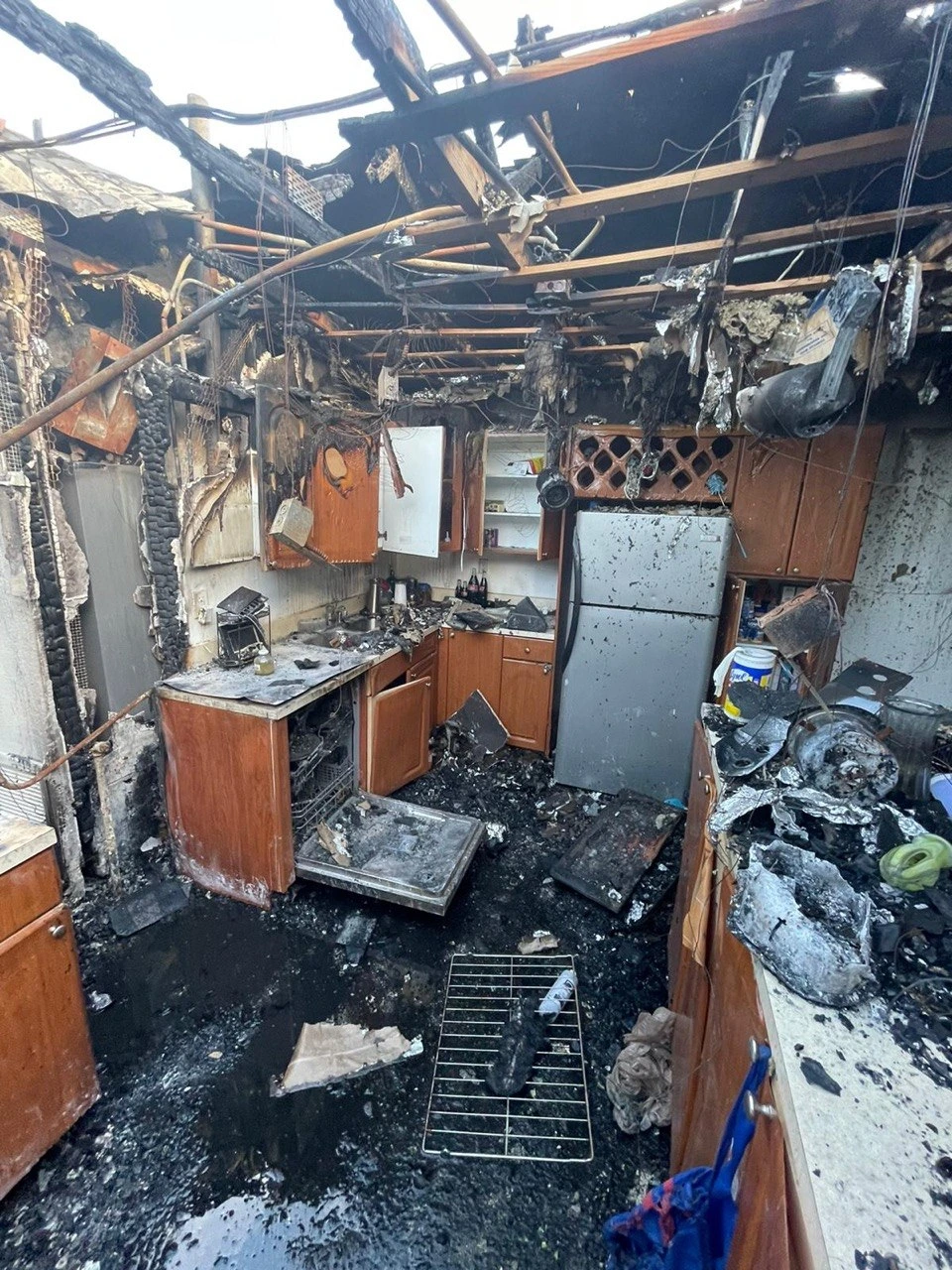
Fire-resistant materials reduce risk, but they may still require professional evaluation after a fire.
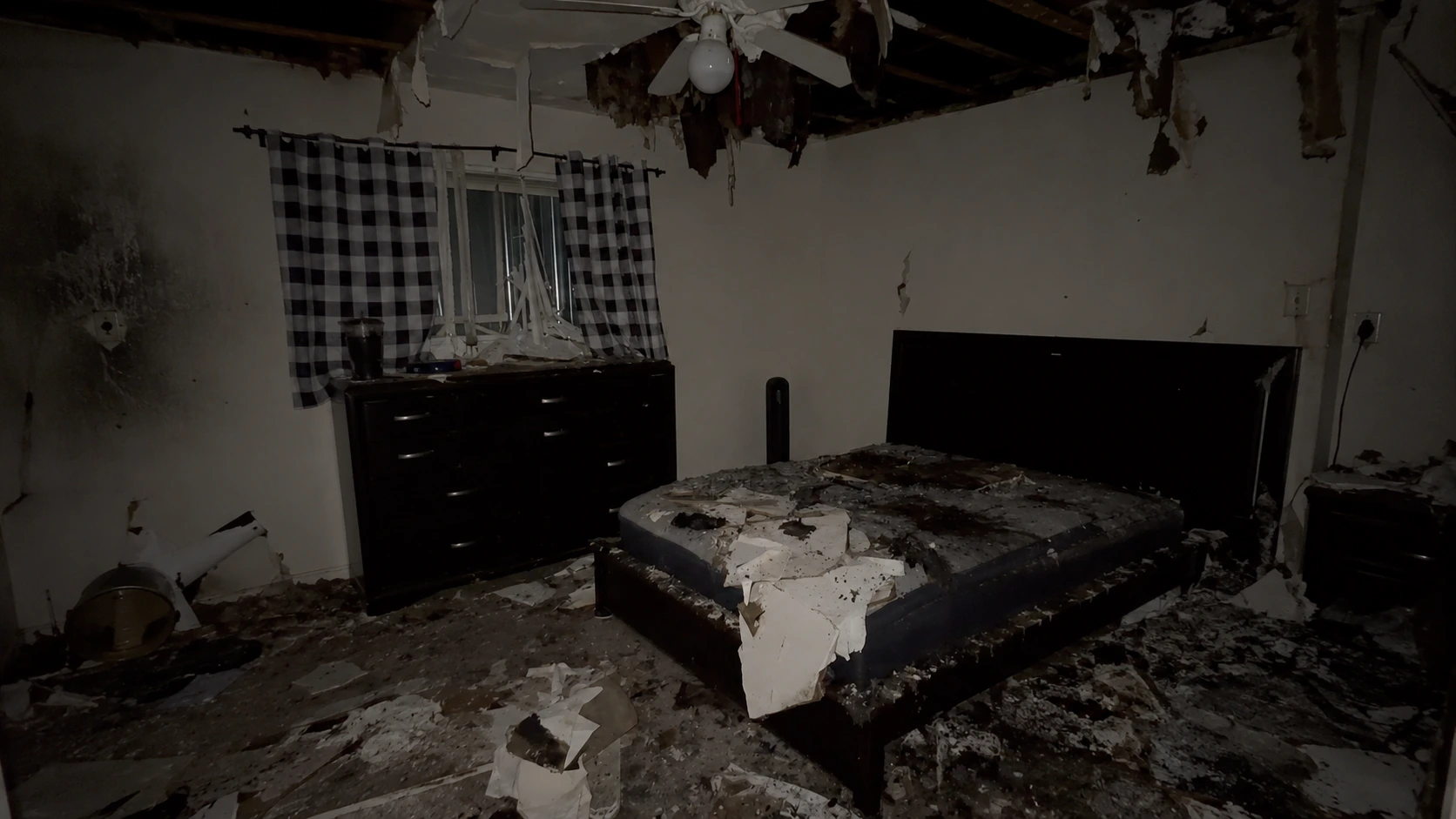
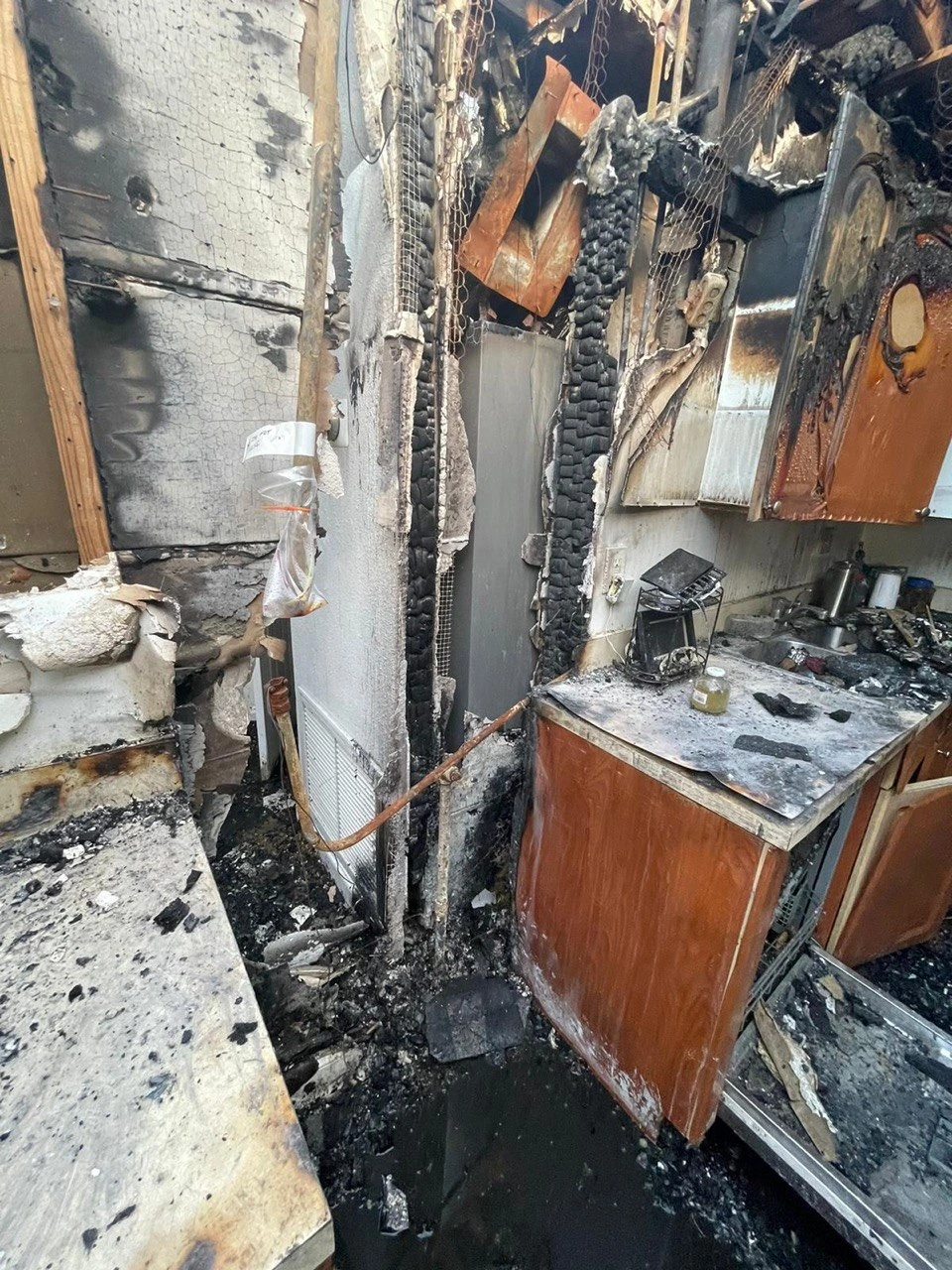
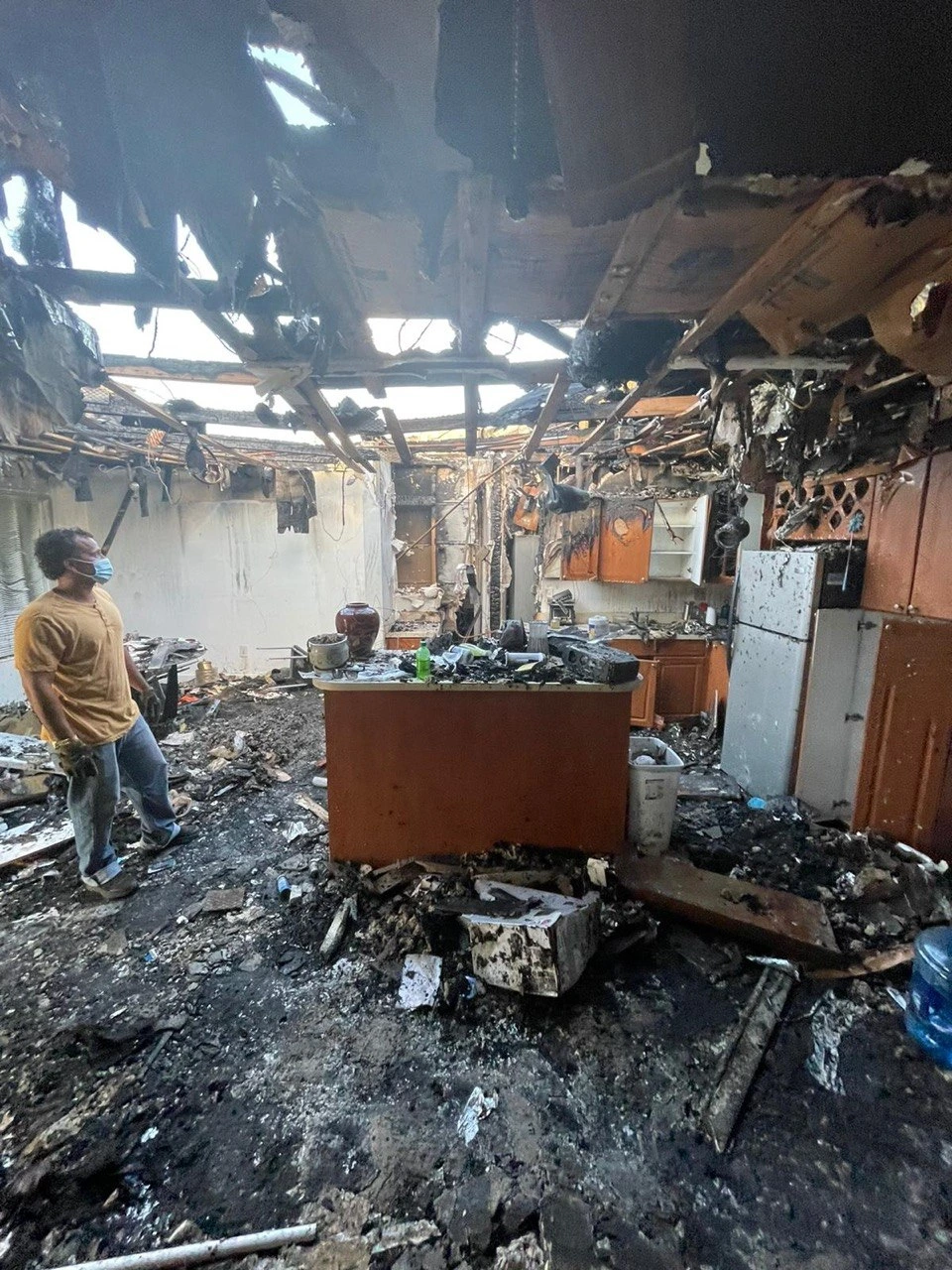
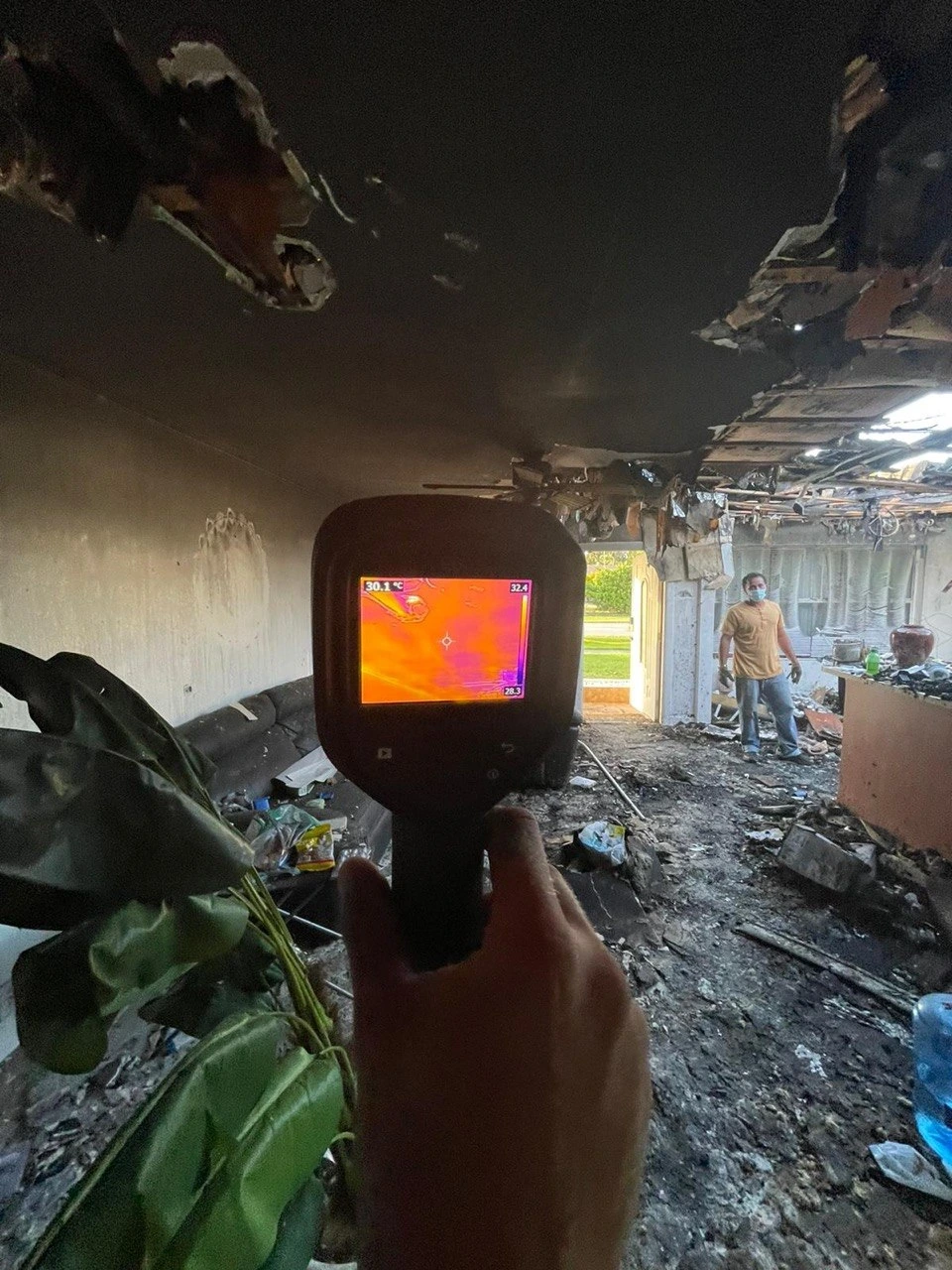
Heat, smoke, soot, water from firefighting, and chemical residues can affect even durable materials. Concrete can spall, steel can weaken, drywall can become contaminated, and masonry can absorb smoke odors.
After a fire, restoration professionals may inspect:
- Structural integrity
- Smoke and soot contamination
- Hidden moisture from suppression efforts
- Odor migration
- HVAC contamination
- Electrical and mechanical safety concerns
- Salvageable versus non-salvageable materials
Fast inspection and cleanup help prevent secondary damage.
Fire Damage Restoration in South Florida
If your home or business has experienced fire, smoke, soot, or water damage from firefighting efforts, professional restoration is important.
Masterpros provides fire damage restoration, smoke cleanup, soot removal, odor removal, water extraction, structural drying, mold prevention, reconstruction, and insurance documentation throughout Hollywood, Fort Lauderdale, Hallandale Beach, Miramar, Pembroke Pines, Miami, and nearby South Florida communities.
Fire-resistant building materials can reduce damage, but after a fire, proper cleanup and restoration help protect the property, indoor air quality, and long-term structural safety.