Quick answer: Learn signs of water damage in walls, including water stains, musty odor, discoloration, and texture changes, before the damage spreads.
Water damage inside a wall rarely stays small for long. What starts as a faint mark or mild musty smell can turn into swollen drywall, hidden mold growth, damaged framing, and a much larger restoration job. The most common signs of water damage in walls are water stains, musty odor, discoloration, and change in texture - and catching them early can save time, cost, and disruption.
Signs of water damage in walls: water stains, musty odor, discoloration, change in texture
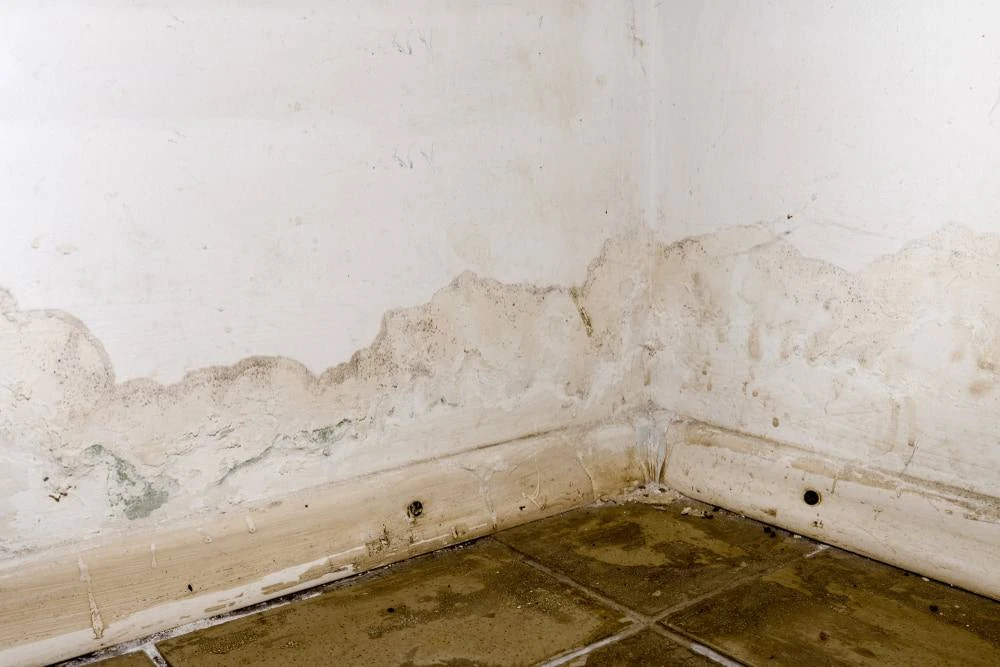
The first warning sign is often visual. Water stains usually appear as yellow, brown, or copper-colored rings or patches on painted drywall or ceilings near the affected wall. These marks do not always mean the leak is active at that moment, but they do indicate that moisture has entered the material at some point. In South Florida properties, that can come from roof intrusion, plumbing leaks, AC line issues, window failures, or storm-driven water.
A musty odor is another serious indicator, especially when the wall looks mostly normal. Moisture trapped behind drywall, baseboards, insulation, or cabinetry can create conditions for microbial growth before staining becomes obvious. If a room smells damp, earthy, or stale and the odor does not improve with cleaning or ventilation, moisture may be present inside the wall system.
Discoloration can be subtle at first. Paint may look darker in one area, lose uniformity, or develop irregular blotches. In some cases, wallpaper starts separating at seams. These changes happen because wall materials absorb and release moisture unevenly. On textured walls, the problem may be harder to spot visually, which is why odor and touch matter too.
A change in texture is often the point where damage moves beyond cosmetic. Drywall may feel soft, bubbled, warped, swollen, or slightly crumbly. Paint can blister, peel, or crack. Baseboards may expand or pull away from the wall. If you press lightly and the surface gives more than it should, that is no longer a watch-and-wait situation.
What these wall symptoms usually mean
Different symptoms point to different stages of damage. Fresh staining or isolated bubbling can come from a newer leak. A persistent musty smell with little visible damage may suggest hidden moisture that has been sitting for days or weeks. Soft drywall, recurring stains, and peeling finishes often mean the affected area has not fully dried or the source was never corrected.
There is also a difference between surface moisture and moisture inside the assembly. A bathroom wall may feel humid after a shower, but that should clear quickly with proper ventilation. If the wall stays damp, develops staining, or keeps producing odor, a more serious issue may be present behind the surface.
That is where professional moisture assessment matters. Visible damage is only part of the picture. Water can travel down framing, pool at the base of walls, migrate under flooring, and affect adjacent rooms. By the time drywall changes texture, the moisture path may already be wider than expected.
When to act immediately
If the wall damage is growing, the odor is getting stronger, or you notice swelling near electrical outlets, shut off the water source if possible and get the area inspected right away. The same applies after roof leaks, appliance failures, AC overflows, or storm events. Waiting often leads to larger demolition areas, longer drying times, and a greater chance of mold remediation becoming necessary.
Commercial properties and occupied rentals need especially fast response because hidden wall moisture can affect tenants, operations, and documentation requirements. In those cases, clear inspection records, moisture readings, drying logs, and insurance-ready reporting are not extras. They are part of controlling the claim and the recovery timeline.
What a proper inspection should include
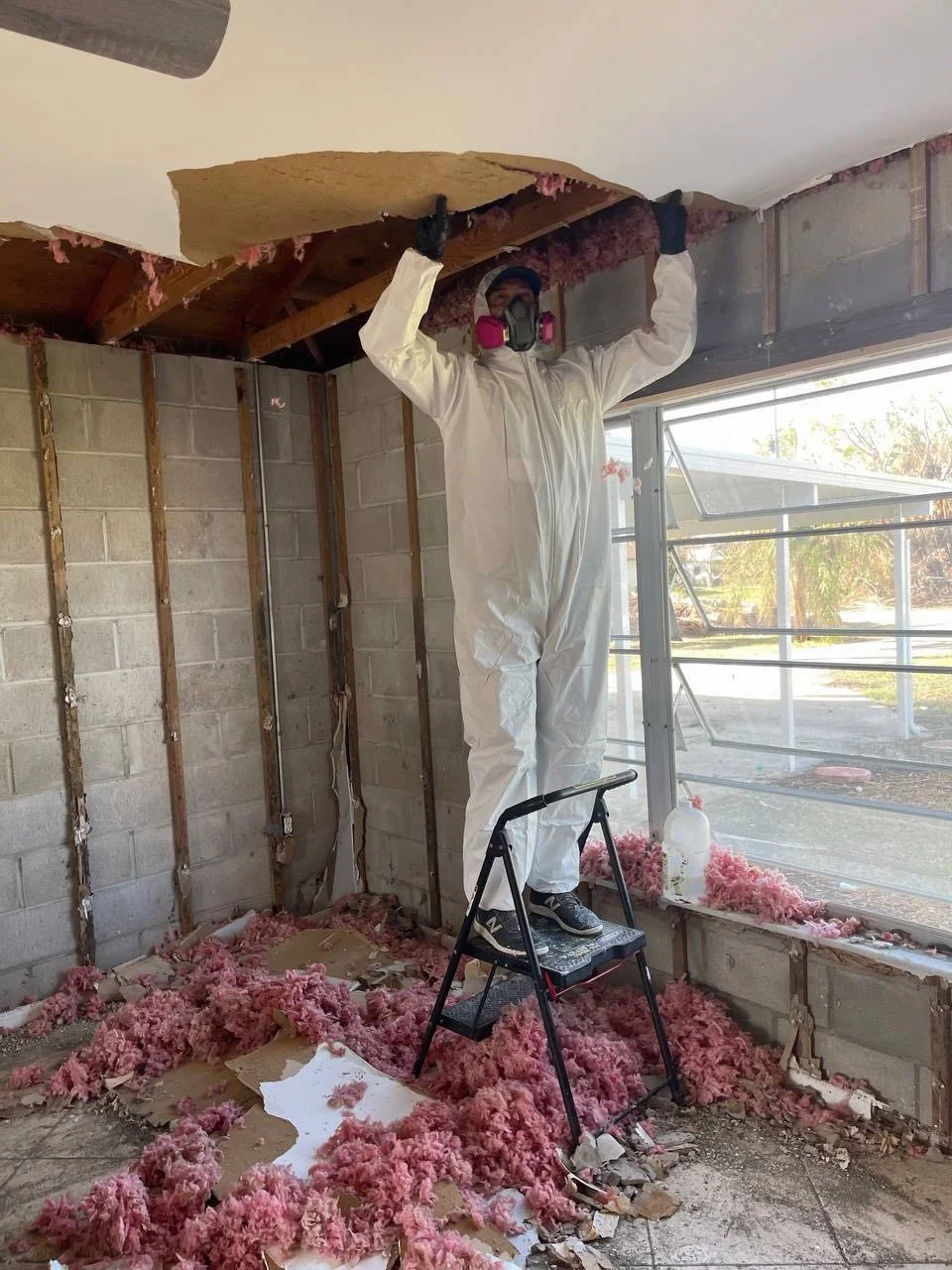
A credible water damage inspection should go beyond looking at the stain. The process should identify the likely source, check surrounding materials, and determine how far the moisture has spread. That usually includes moisture meter readings, thermal imaging when appropriate, inspection of baseboards and adjoining rooms, and a practical drying or containment plan if damage is confirmed.
Not every stained wall needs major removal, and not every musty smell means heavy contamination. But guessing is expensive. If the wall is already showing multiple warning signs, the goal is to stop further migration, dry the structure correctly, and document conditions before secondary damage expands.
For property owners in South Florida, speed matters because heat and humidity shorten the window between a leak and a larger indoor environmental problem. A responsive restoration company like Masterpros can assess the wall, locate hidden moisture, begin extraction or structural drying if needed, and provide the documentation many insurance carriers expect.
If you see stains, smell something off, or notice that the wall no longer feels solid, trust that change. Walls usually give small warnings before they fail visibly, and those early warnings are the best time to act.