Quick answer:
Does Homeowners Insurance Cover Mold Remediation in Florida?
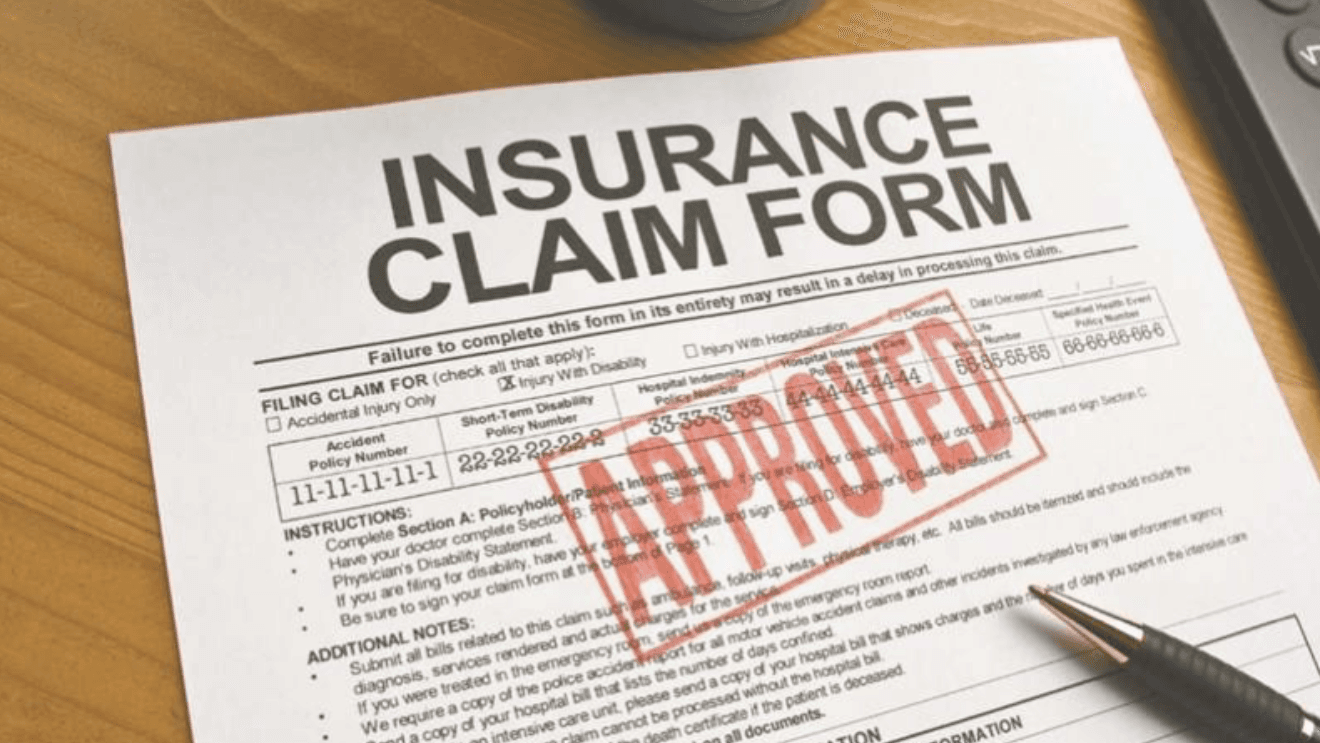
Discovering mold in your home is stressful enough. One of the first questions many Florida homeowners ask is, “Will my homeowners insurance cover mold remediation?”
The answer is: sometimes—but only under specific circumstances. Coverage depends on what caused the mold, how quickly the damage was reported, and the terms of your individual insurance policy.
Understanding how mold coverage works can help you avoid costly surprises and make informed decisions before beginning cleanup.
⸻
Does Florida Homeowners Insurance Cover Mold?
Unlike many other states, Florida homeowners insurance policies generally include limited mold remediation coverage for residential properties. However, this does not mean every mold problem is automatically covered.
Most policies only provide coverage when mold develops as the result of a covered sudden and accidental water loss, such as:
Burst water supply pipe Sudden plumbing failure Appliance supply line rupture Water damage from extinguishing a fire Storm-related water intrusion caused by a covered peril
Even when coverage applies, many Florida policies limit mold remediation benefits to $10,000, although some insurance companies offer optional endorsements that increase coverage limits.
Always review your individual policy, as coverage, exclusions, deductibles, and endorsements vary by insurer.
⸻
Mold Problems That Are Usually NOT Covered
Insurance is designed to protect against sudden losses—not ongoing maintenance issues.
Most Florida homeowners policies exclude mold caused by:
Long-term plumbing leaks Roof leaks that were not repaired High indoor humidity Poor ventilation Condensation HVAC maintenance issues Improper property maintenance Neglected water damage Previous mold problems left untreated
If the insurance company determines the moisture developed gradually over time, the claim may be denied.
⸻
Florida’s Humid Climate Makes Prevention Critical
South Florida’s warm, humid climate creates ideal conditions for mold growth.
Humidity levels above 60%, combined with air conditioning issues, roof leaks, plumbing failures, or poor ventilation, can allow mold to develop in as little as 24 to 48 hours after water intrusion.
Common Florida mold sources include:
Air conditioning condensate leaks Roof leaks during heavy rain Window intrusion Plumbing leaks inside walls Water heater failures Dishwasher leaks Washing machine supply line failures Hurricane-related water intrusion Overflowing toilets or tubs
The faster moisture is addressed, the greater the chance of minimizing damage.
⸻
Why Professional Documentation Matters
Before removing mold or tearing out drywall, proper documentation is extremely important.
Insurance companies often require evidence showing:
What caused the moisture When the damage occurred The extent of contamination Whether the water loss was sudden or gradual
Professional documentation can significantly strengthen a claim.
A comprehensive inspection may include:
Moisture mapping Thermal imaging Moisture meter readings Identification of the water source Assessment of visible and hidden mold Photographic documentation Written inspection findings Remediation recommendations
Proper documentation also helps establish a baseline before restoration begins.
⸻
What To Do If You Discover Mold
If you notice visible mold, musty odors, or signs of hidden moisture:
Stop the water source if it is safe to do so. Photograph all visible damage. Avoid disturbing large mold-contaminated areas. Contact your insurance company if you believe the damage resulted from a covered event. Schedule a professional mold inspection. Keep all invoices, receipts, and documentation related to emergency mitigation.
Taking action quickly can help reduce additional damage and may improve the likelihood of a successful insurance claim.
⸻
Can You Purchase Additional Mold Coverage?
Many Florida insurance carriers offer optional mold endorsements that increase remediation limits beyond the standard policy. Depending on the insurer, these endorsements may provide additional protection for:
Mold remediation Mold testing Contents cleaning Additional repair costs
If you’re unsure about your current protection, ask your insurance agent:
What is my mold remediation limit? Do I have a mold endorsement? What events are covered? What exclusions apply? Is there a separate deductible?
Understanding your policy before a loss occurs is one of the best ways to avoid unexpected expenses.
⸻
Why Choose Masterpros?
Masterpros provides professional mold inspections, licensed mold remediation, water damage restoration, structural drying, and moisture detection throughout Hollywood, Fort Lauderdale, Miami, Pembroke Pines, Miramar, Hallandale Beach, Aventura, Boca Raton, and surrounding South Florida communities.
Our experienced team uses advanced moisture detection equipment, thermal imaging technology, HEPA air filtration, commercial drying equipment, and industry-standard remediation procedures to identify moisture problems, remove mold safely, and help restore healthy indoor environments.
Whether your mold resulted from a burst pipe, roof leak, plumbing failure, or hidden moisture intrusion, we can help identify the source and develop an effective remediation plan.
⸻
Final Thoughts
Not every mold problem is covered by homeowners insurance, even in Florida. Coverage generally depends on whether the mold resulted from a sudden and accidental covered water loss rather than a long-term maintenance issue.
If you discover mold in your home, don’t assume your insurance company will automatically pay for remediation—or deny it. Gather proper documentation, understand your policy, and have the property professionally evaluated before beginning major demolition or cleanup.
Early detection, prompt drying, and professional remediation remain the best ways to minimize property damage, protect indoor air quality, and reduce restoration costs.