
Quick answer: Hidden air leaks can increase your energy bills, reduce indoor comfort, and contribute to moisture and mold problems. Learn how to identify common air leaks, seal them properly, and improve your home’s energy efficiency with this complete homeowner’s guide from Masterpros.
How to Find and Seal Air Leaks in Your Home: A South Florida Homeowner’s Guide
Small air leaks may seem harmless, but they can quietly increase your energy bills, reduce indoor comfort, and even contribute to moisture problems that encourage mold growth. In South Florida, where air conditioners run most of the year, uncontrolled air leakage allows warm, humid outdoor air to enter your home. That extra humidity forces your HVAC system to work harder and creates the perfect conditions for condensation and microbial growth.
At Masterpros, we regularly discover hidden air leaks while performing water damage inspections, mold assessments, and indoor air quality evaluations. Identifying these leaks early helps homeowners improve comfort, reduce energy costs, and prevent expensive property damage.
What Is an Air Leak?
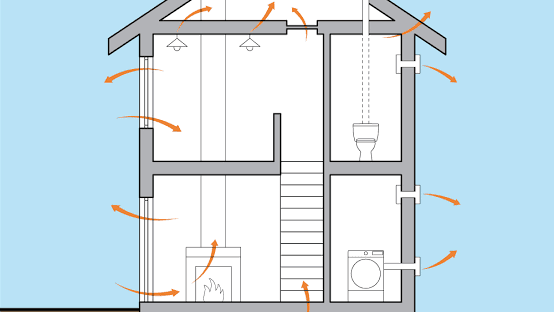
An air leak occurs whenever outside air enters your home through unwanted openings or conditioned indoor air escapes through cracks and gaps in the building envelope.
Unlike intentional ventilation, air leaks are uncontrolled. Even small openings around windows, doors, attic penetrations, plumbing pipes, or electrical fixtures can allow significant amounts of hot, humid air into your home.
Common signs include:
- Uneven temperatures between rooms
- High electric bills
- Excess humidity indoors
- Drafts near windows or doors
- Musty odors
- Condensation around windows
- HVAC system running longer than usual
- Mold growth around exterior walls or ceilings
Why Air Leaks Are a Bigger Problem in Florida
Many homeowners think air leaks only matter during winter. In reality, they’re often even more problematic in Florida.
When warm outdoor air enters an air-conditioned home, moisture in the air condenses on cooler surfaces such as:
- Drywall
- Air ducts
- Ceiling cavities
- Window frames
- Flooring
- Interior walls
Over time this hidden moisture can contribute to:
- Mold growth
- Wood deterioration
- Insulation damage
- Poor indoor air quality
- Increased cooling costs
Common Places Where Air Leaks Occur
During property inspections, we frequently find air leakage around:
Windows and Doors
Old weatherstripping, deteriorated caulking, or warped frames allow outside air to enter continuously.
Attic Access
Attic hatches are often poorly insulated and improperly sealed, allowing hot attic air into conditioned spaces.
Recessed Lighting
Older recessed fixtures frequently leak air directly from the attic into the living area.
Plumbing Penetrations
Small openings around water supply lines, drain pipes, and vent stacks are common sources of hidden leakage.
Electrical Outlets
Exterior wall outlets can allow noticeable airflow if not properly insulated.
HVAC Ductwork
Loose duct connections and damaged duct insulation waste conditioned air while pulling humid attic air into the system.
Garage Connections
The wall between the garage and living space often contains gaps around pipes and wiring that should be sealed.
Around Chimneys and Exhaust Vents
Openings around flues, bathroom vents, and dryer vents can create significant energy loss.
How to Find Air Leaks in Your Home
1. Feel for Drafts
On a warm afternoon while your air conditioner is running, slowly move your hand around:
- Window frames
- Door frames
- Baseboards
- Electrical outlets
- Attic access
- Plumbing penetrations
If you feel moving air or temperature changes, there’s likely an air leak.
2. Perform a Visual Inspection
Look carefully for:
- Cracked caulking
- Missing weatherstripping
- Gaps around trim
- Separation between building materials
- Damaged insulation
- Visible daylight entering from outside
3. Use Smoke to Detect Air Movement
A smoke pencil or incense stick can reveal air movement around windows, doors, attic hatches, and plumbing penetrations.
If the smoke changes direction unexpectedly, air is entering or leaving the home.
Always use caution around open flames.
4. Check Your HVAC System
Signs of duct leakage include:
- Dust accumulation around vents
- Rooms that never cool properly
- High humidity
- Uneven temperatures
- Higher-than-normal energy bills
Professional duct testing can identify hidden leaks throughout the system.
5. Thermal Imaging Inspection
Infrared cameras can reveal temperature differences caused by hidden air infiltration.
This technology helps identify:
- Missing insulation
- Hidden moisture
- Air leakage
- Thermal bridges
- HVAC issues
Masterpros uses professional thermal imaging during many inspections to locate problems without unnecessary demolition.
6. Blower Door Testing
A blower door test is the most accurate way to measure a home’s air leakage.
The test temporarily depressurizes the house while technicians identify leaks using specialized equipment.
This is especially valuable before major renovations or energy-efficiency upgrades.
How to Seal Air Leaks
Once leaks are located, sealing them promptly improves comfort and reduces energy costs.
Replace Weatherstripping
Install new weatherstripping around:
- Exterior doors
- Sliding glass doors
- Windows
- Attic access panels
Apply Fresh Caulk
Seal cracks around:
- Window frames
- Door trim
- Exterior penetrations
- Plumbing pipes
- Siding joints
- Utility openings
Use high-quality exterior-grade sealants for long-lasting protection.
Seal Attic Openings
Properly seal:
- Wiring penetrations
- Plumbing stacks
- HVAC penetrations
- Recessed lighting
- Attic access doors
This is one of the most effective ways to reduce cooling costs in Florida homes.
Improve Duct Sealing
Leaky ductwork should be professionally sealed using approved HVAC materials—not standard duct tape.
Well-sealed ducts improve:
- Airflow
- Indoor comfort
- HVAC efficiency
- Indoor air quality
Insulate Where Needed
Air sealing works best when combined with proper insulation.
Common upgrades include:
- Attic insulation
- Garage ceiling insulation
- Exterior wall insulation
- HVAC duct insulation
Can Air Leaks Cause Mold?
Absolutely.
Many homeowners assume mold always comes from plumbing leaks or roof damage. While those are common causes, uncontrolled humid air entering through leaks can also create enough moisture for mold to develop.
We frequently discover mold caused by:
- Poor attic sealing
- Leaky air ducts
- High indoor humidity
- HVAC condensation
- Improper ventilation
Addressing the source of moisture—not just removing the mold—is essential for long-term protection.
Prevent Future Air Leaks
Regular home maintenance can prevent new leaks from developing.
We recommend:
- Inspecting exterior caulking annually
- Replacing worn weatherstripping
- Having your HVAC system serviced each year
- Checking attic insulation after storms
- Inspecting windows and doors for damage
- Monitoring indoor humidity levels (ideally between 45% and 55%)
When Should You Call a Professional?
If your home has persistent humidity, rising energy bills, recurring mold, or rooms that never seem comfortable, a professional inspection can identify hidden issues before they become expensive repairs.
At Masterpros, we combine advanced moisture detection, thermal imaging, indoor air quality expertise, and years of restoration experience to locate problems other companies often miss. Whether the issue involves air leakage, hidden moisture, mold growth, or water damage, our team provides honest assessments and practical solutions designed specifically for South Florida homes.
Need a professional inspection?
Masterpros provides comprehensive inspections for air leaks, moisture intrusion, mold concerns, water damage, and indoor air quality throughout Broward, Miami-Dade, and Palm Beach counties. Contact our team today to schedule your inspection and protect your home’s comfort, efficiency, and long-term value.