Quick answer: Mold is a common indoor problem caused by excess moisture, water damage, or high humidity. While many molds are harmless, prolonged exposure can trigger allergies, worsen asthma, and reduce indoor air quality. In this comprehensive guide, learn the signs and symptoms of mold exposure, the science behind mold growth, common causes in homes, prevention strategies, and when it’s time to call a professional mold remediation company. Discover how early moisture detection and proper remediation can protect your home and your family’s health.
Mold Exposure: Symptoms, Health Risks, Prevention, and Professional Mold Removal
Indoor mold is one of the most common environmental problems affecting homes and commercial buildings. While mold is a natural part of the ecosystem and plays an important role in breaking down organic matter outdoors, it can become a significant indoor air quality concern when moisture allows it to grow inside buildings.
At Masterpros, we believe homeowners deserve evidence-based information rather than fear-based marketing. This guide explains what current scientific research tells us about mold exposure, potential health effects, common causes of mold growth, and when professional mold remediation is recommended.
⸻
What Is Mold?
Mold is a microscopic fungus that reproduces by releasing airborne spores. These spores are present virtually everywhere—both indoors and outdoors. Under normal conditions they do not pose a problem. However, when spores land on damp building materials such as drywall, wood, insulation, carpeting, or ceiling tiles, they can begin growing within 24 to 48 hours.
Unlike plants, mold does not require sunlight. It only needs:
- Moisture
- Organic material to feed on
- Suitable temperatures
- Time
Because Florida’s warm, humid climate provides ideal conditions, indoor mold growth is especially common after water damage, plumbing leaks, roof leaks, HVAC condensation, flooding, or elevated indoor humidity.
⸻
Why Moisture Is the Real Problem
Scientific research consistently shows that mold growth is almost always the result of excessive moisture.
Common moisture sources include:
- Burst or leaking plumbing pipes
- Roof leaks
- Appliance failures
- Air conditioning condensate leaks
- Flooding
- Hurricane damage
- Foundation water intrusion
- Poor ventilation
- High indoor humidity
- HVAC systems running with the fan continuously set to “ON”
Unless the moisture source is corrected, mold will continue to return—even after cleaning.
⸻
Can Mold Affect Your Health?
Health effects from mold exposure vary greatly between individuals.
Many healthy people experience no symptoms at all. Others—particularly individuals with allergies, asthma, chronic respiratory disease, weakened immune systems, infants, or older adults—may be more sensitive.
Current scientific evidence suggests that indoor mold exposure may contribute to:
- Allergic reactions
- Eye irritation
- Nasal congestion
- Persistent coughing
- Wheezing
- Asthma flare-ups
- Respiratory irritation
The severity depends on:
- Individual sensitivity
- Duration of exposure
- Amount of mold present
- Overall indoor air quality
- Existing medical conditions
⸻
Common Symptoms of Mold Exposure
People who are sensitive to mold may experience:
Respiratory Symptoms
- Sneezing
- Runny nose
- Nasal congestion
- Chronic cough
- Wheezing
- Shortness of breath
- Sore throat
Eye Symptoms
- Red eyes
- Itchy eyes
- Watery eyes
- Burning sensation
Skin Symptoms
- Itching
- Rashes
- Irritation
General Symptoms
- Headaches
- Fatigue
- Difficulty sleeping
- Increased asthma symptoms in susceptible individuals
These symptoms are not unique to mold and can have many possible causes. Anyone experiencing persistent respiratory symptoms should consult a licensed healthcare provider.
⸻
What About Long-Term Mold Exposure?
Scientists continue studying the health effects of prolonged exposure to damp indoor environments.
Research has found associations between chronic exposure to water-damaged buildings and increased risks of:
- Asthma development in children
- Asthma exacerbations
- Chronic respiratory inflammation
- Reduced quality of life
- Increased allergic sensitization
Some studies have also explored possible relationships between chronic dampness and fatigue, cognitive complaints, anxiety, and depression. While these associations continue to be investigated, experts generally agree that eliminating moisture problems improves indoor environmental quality.
⸻
Is Black Mold More Dangerous?
One of the biggest misconceptions is that “black mold” is uniquely toxic.
The mold most commonly referred to as black mold is Stachybotrys chartarum, which grows primarily on wet cellulose-based materials such as drywall, paper backing, wood, and insulation after prolonged water damage.
Current scientific evidence indicates:
- Color alone does not determine toxicity.
- Many harmless molds are black.
- Many potentially allergenic molds are green, white, gray, or brown.
- Any indoor mold growth should be addressed regardless of species.
Professional remediation focuses on removing mold safely rather than identifying it by color alone.
⸻
Signs You May Have Mold in Your Home
Visible mold is not always the first sign.
Watch for:
- Musty or earthy odors
- Water stains
- Bubbling paint
- Peeling wallpaper
- Warped flooring
- Soft drywall
- Condensation on windows
- High indoor humidity
- Persistent dampness
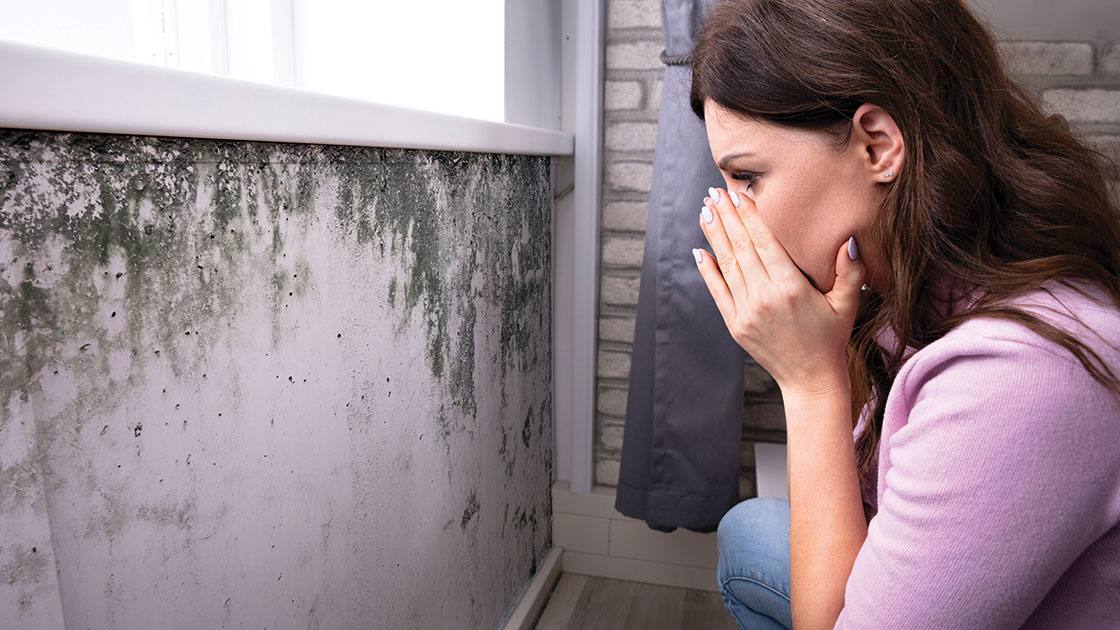
- Visible discoloration on walls or ceilings
Hidden mold frequently develops:
- Behind drywall
- Under flooring
- Inside wall cavities
- Under cabinets
- Around plumbing penetrations
- Inside HVAC systems
- In attics
- Inside crawl spaces
Professional moisture mapping and thermal imaging often identify hidden moisture before mold becomes visible.
⸻
Common Causes of Indoor Mold
The majority of mold problems originate from water intrusion.
Typical causes include:
- Roof leaks
- Plumbing failures
- Overflowing appliances
- Toilet overflows
- Flooding
- Hurricane damage
- HVAC condensation
- Air handler drain line backups
- Poor attic ventilation
- Improperly insulated ductwork
- Foundation seepage
- Window leaks
- High indoor humidity
In South Florida, elevated humidity alone can support mold growth if indoor relative humidity remains above approximately 60% for extended periods.
⸻
Should You Test for Mold?
Mold testing has specific applications but is not always necessary.
According to guidance from public health agencies, visible mold should generally be removed regardless of species identification.
Professional mold assessment may be appropriate when:
- Mold is suspected but not visible.
- Occupants report persistent odors.
- A property experienced flooding.
- Hidden moisture is suspected.
- Clearance testing is required after remediation.
- Real estate transactions require documentation.
Testing should be performed by qualified indoor environmental professionals using recognized sampling protocols.
⸻
Can You Remove Mold Yourself?
Small isolated areas may sometimes be cleaned safely.
However, DIY removal has limitations.
Homeowners should avoid disturbing mold if:
- The affected area exceeds approximately 10 square feet.
- The HVAC system may be contaminated.
- Mold is inside walls.
- Sewage contamination is present.
- Occupants have respiratory illness or compromised immune systems.
- Structural drying is required.
Improper cleaning can spread spores throughout the building.
⸻
When Should You Call a Professional Mold Remediation Company?
Professional remediation is recommended when:
- Mold covers a large area.
- The property experienced flooding.
- Mold has penetrated drywall or insulation.
- Hidden moisture is suspected.
- There is a persistent musty odor.
- Occupants experience recurring mold growth.
- Reconstruction will be necessary after removal.
Professional remediation follows industry standards that emphasize:
- Moisture source correction
- Containment of affected areas
- HEPA air filtration
- Controlled removal of contaminated materials
- Thorough cleaning
- Structural drying
- Verification that the environment is dry before reconstruction
The objective is not simply killing mold—it is removing contaminated materials and correcting the moisture conditions that allowed mold growth.
⸻
How to Prevent Mold Growth
Preventing moisture problems remains the most effective strategy.
Homeowners should:
- Repair leaks immediately.
- Dry water damage within 24–48 hours whenever possible.
- Maintain indoor humidity between 30% and 50%.
- Use bathroom and kitchen exhaust fans.
- Ensure clothes dryers vent outdoors.
- Service HVAC systems regularly.
- Keep gutters and downspouts functioning properly.
- Direct water away from the home’s foundation.
- Replace damaged building materials promptly.
- Monitor hidden areas for signs of moisture.
Routine inspections can identify small leaks before they become expensive mold problems.
⸻
Why Professional Moisture Detection Matters
Many mold problems begin behind walls or beneath flooring long before visible damage appears.
Professional inspections may include:
- Moisture meter readings
- Thermal imaging
- Hygrometer measurements
- Visual inspection
- Humidity assessment
- Leak source investigation
- HVAC evaluation
Finding and correcting hidden moisture early can significantly reduce repair costs.
⸻
Masterpros Professional Mold Remediation
At Masterpros, our approach is based on science, industry standards, and moisture control—not fear.
Our certified restoration professionals provide:
- Comprehensive moisture inspections
- Water damage assessment
- Thermal imaging
- Moisture mapping
- Mold damage evaluation
- Containment and negative air pressure
- HEPA air filtration
- Professional mold remediation
- Structural drying
- Reconstruction services
Our goal is to identify the source of moisture, safely remove affected materials when necessary, restore healthy indoor conditions, and help prevent future mold growth.
Final Thoughts
Mold is a common consequence of excess moisture—not a problem to ignore or panic over. Most indoor mold issues can be successfully resolved when water intrusion is addressed promptly and remediation follows established industry standards.
If you’ve noticed musty odors, visible mold, unexplained moisture, or recent water damage, a professional inspection can determine the extent of the problem and identify the source before it leads to more extensive structural damage.
Early detection, moisture control, and proper remediation remain the most effective ways to protect your property and maintain a healthier indoor environment.