Quick answer: A sewage backup requires more than ordinary water cleanup. Learn what to do after a sewer backup, what to avoid, and when to call a professional. Masterpros provides 24/7 sewage cleanup in Hollywood, Fort Lauderdale, Broward County, and Miami-Dade.
Sewage Backup Cleanup in South Florida: What Homeowners Should Do Immediately
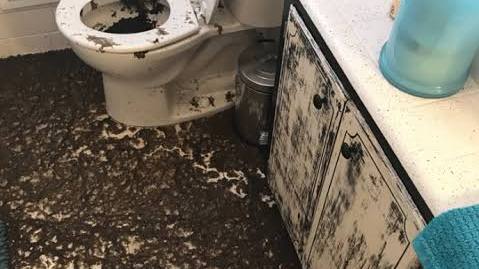
A sewage backup is one of the most serious property damage emergencies a homeowner can face. Unlike a leaking appliance or clean-water pipe break, sewage water can contain bacteria, viruses, microorganisms, and other contaminants that may create health risks inside your home.
For homeowners in Hollywood, Fort Lauderdale, Broward County, Miami-Dade County, and surrounding South Florida communities, acting quickly is especially important. Florida’s warm, humid climate can make contaminated materials more difficult to dry and may contribute to additional moisture and microbial problems when sewage damage is not properly addressed.
At Masterpros, we provide professional sewage cleanup and property damage restoration services designed to remove contaminated materials, clean and sanitize affected areas, control moisture, and help return the property to a safe condition.
Why Sewage Backup Is Different From Regular Water Damage
Not every water damage situation involves the same level of contamination.
Sewage is generally considered Category 3 water, commonly called black water. This type of water may contain harmful microorganisms and contaminants and requires significantly different cleanup procedures than ordinary clean-water damage.
A sewage backup can originate from:
- Clogged or damaged sewer lines
- Toilet overflows involving waste
- Main sewer line backups
- Drain line blockages
- Septic system problems
- Municipal sewer backups
- Contaminated floodwater entering a property
The visible water is only part of the problem. Sewage can penetrate flooring, drywall, baseboards, cabinetry, insulation, wall cavities, and other building materials.
Simply removing the standing water does not necessarily remove the contamination.
What Should You Do Immediately After a Sewage Backup?
Your first priority should be limiting exposure and preventing the contaminated water from spreading.
Keep children and pets away from the affected area. Avoid walking through sewage water whenever possible, particularly barefoot or if you have cuts or broken skin.
If it can be done safely, stop using toilets, sinks, washing machines, dishwashers, and other plumbing fixtures until the source of the backup has been identified.
If water is approaching electrical outlets, appliances, or other electrical components, do not enter the affected area to attempt cleanup.
Contacting a professional sewage cleanup company quickly can help determine how far the contamination has traveled and what materials have been affected.
What Should You NOT Do After a Sewage Backup?
One of the most common mistakes homeowners make is treating sewage damage like ordinary water damage.
Do not place household fans throughout a contaminated area simply to make it dry faster. Air movement without appropriate containment and filtration can potentially spread contaminants into previously unaffected areas.
Avoid steam-cleaning sewage-contaminated carpet or upholstery as a substitute for proper removal and sanitation. Contamination may have reached the carpet padding, subfloor, or other materials underneath.
Do not mix household cleaning products. Combining chemicals such as bleach with ammonia-containing products can create dangerous fumes.
Most importantly, don’t assume that a surface is safe simply because it looks clean or no longer smells.
Can Sewage-Damaged Carpet and Drywall Be Saved?
It depends on the material, the extent of contamination, and the conditions at the property.
Many porous materials heavily affected by sewage cannot be reliably cleaned and may need to be removed.
These can include:
- Carpet and carpet padding
- Drywall
- Insulation
- Certain types of baseboards
- Upholstered materials
- Some engineered wood products
- Other highly porous building materials
Non-porous or semi-porous materials may sometimes be cleaned and disinfected using appropriate restoration procedures.
A professional inspection helps determine what can reasonably be restored and what should be removed.
Sewage Water Can Travel Beyond What You See
One of the biggest problems with a sewage backup is hidden contamination.
Water can migrate underneath flooring, behind baseboards, beneath cabinets, into drywall, and through openings in the building structure. The visibly wet area may therefore be smaller than the actual affected area.
Professional restoration technicians can use moisture detection equipment to evaluate areas that may not appear wet from the surface.
At Masterpros, our sewage damage inspections can include moisture mapping and professional equipment to help identify the extent of the affected area before cleanup begins.
Our Sewage Backup Cleanup Process
Every property is different, but a professional sewage cleanup project may include:
- Inspection and damage assessment
We evaluate the source, affected materials, moisture conditions, and extent of contamination.
- Containment
When necessary, affected areas are isolated to help reduce cross-contamination into clean portions of the property.
- Sewage and water extraction
Standing contaminated water is removed using professional extraction equipment.
- Removal of contaminated materials
Porous building materials that cannot be safely restored may be removed and properly disposed of.
- Cleaning and sanitation
Affected structural surfaces are thoroughly cleaned and treated using appropriate professional products and procedures.
- HEPA air filtration
Air filtration equipment may be used as part of the controlled restoration environment.
- Structural drying
Professional dehumidifiers and drying equipment are used to remove remaining moisture from affected structural materials.
- Moisture monitoring
Moisture conditions are monitored throughout the drying process to verify progress.
- Reconstruction
When building materials must be removed, reconstruction may be necessary to restore drywall, baseboards, flooring, cabinetry, paint, or other finishes.
Masterpros can assist with both the initial property damage cleanup and the reconstruction required to put the affected areas back together.
Does Homeowners Insurance Cover Sewage Backup Cleanup?
Coverage depends on the cause of the backup and the specific insurance policy.
Some homeowners insurance policies provide sewer or drain backup coverage through an endorsement, while others may exclude or limit this type of loss.
If you plan to file an insurance claim, document the damage before disposing of belongings whenever it is safe to do so. Professional restoration documentation, photographs, moisture readings, equipment records, and descriptions of removed materials may also be useful during the claims process.
Your insurance carrier or licensed insurance professional can confirm what your specific policy covers.
Why Fast Sewage Cleanup Matters in South Florida
South Florida’s climate creates additional challenges after water and sewage damage.
High humidity can slow natural evaporation and allow moisture to remain trapped inside building materials. A sewage backup that is not properly cleaned and dried may lead to persistent odors, damaged flooring and drywall, deterioration of building materials, and conditions favorable to microbial growth.
This is why sewage damage should be addressed as both a contamination problem and a moisture problem.
Removing visible sewage is only the beginning. The affected structure also needs to be properly cleaned, sanitized, dried, and monitored.
Professional Sewage Backup Cleanup in Hollywood, FL
Masterpros provides professional sewage backup cleanup in Hollywood, Florida, and throughout Broward and Miami-Dade counties.
Our property damage restoration services include sewage cleanup, water extraction, structural drying, water damage restoration, mold remediation, odor removal, and reconstruction.
We serve homeowners, property managers, landlords, commercial properties, condos, and residential communities throughout South Florida, including:
Hollywood, Fort Lauderdale, Hallandale Beach, Dania Beach, Pembroke Pines, Miramar, Davie, Cooper City, Plantation, Weston, Sunrise, Aventura, North Miami Beach, Miami Gardens, Sunny Isles Beach, Miami Beach, and surrounding communities.
Masterpros is a licensed and insured South Florida restoration company with IICRC-certified technicians and more than 10 years of property damage restoration experience.
Need Emergency Sewage Cleanup in South Florida?
If you have a toilet overflow, sewer backup, contaminated water, or sewage damage inside your property, avoid unnecessary contact with the affected area and address the source as quickly as possible.
Masterpros provides 24/7 emergency sewage cleanup and water damage restoration throughout Hollywood, Fort Lauderdale, Broward County, and Miami-Dade County.
Call Masterpros: (305) 791-9248
Fast professional cleanup can help limit contamination, reduce secondary property damage, and get your home or business back to normal safely.