Quick answer: Can black mold really cause toxic mold syndrome? Learn what science says about mold exposure, mycotoxins, health risks, and when professional mold remediation is necessary. Masterpros serves Hollywood, Fort Lauderdale, Miami, and surrounding South Florida.
Toxic Mold Syndrome: Separating Fact from Fiction
Can mold really cause chronic illness, brain fog, and fatigue? If you’ve searched online for answers, you’ve probably seen conflicting information. Some websites claim that “toxic black mold” is responsible for dozens of unexplained symptoms, while others dismiss those concerns entirely.
At Masterpros, we believe homeowners deserve accurate, evidence-based information. As a licensed mold remediation company serving Hollywood, Fort Lauderdale, Miami, Pembroke Pines, Miramar, Hallandale Beach, Aventura, Coral Gables, Boca Raton, and surrounding South Florida communities, our goal is to help you understand the real risks of mold—and when professional mold remediation is necessary.
⸻
What Is Toxic Mold?
The term “toxic mold” usually refers to certain species of mold capable of producing mycotoxins, natural substances that help fungi compete with other microorganisms.
One of the most commonly discussed species is Stachybotrys chartarum, often called black mold.
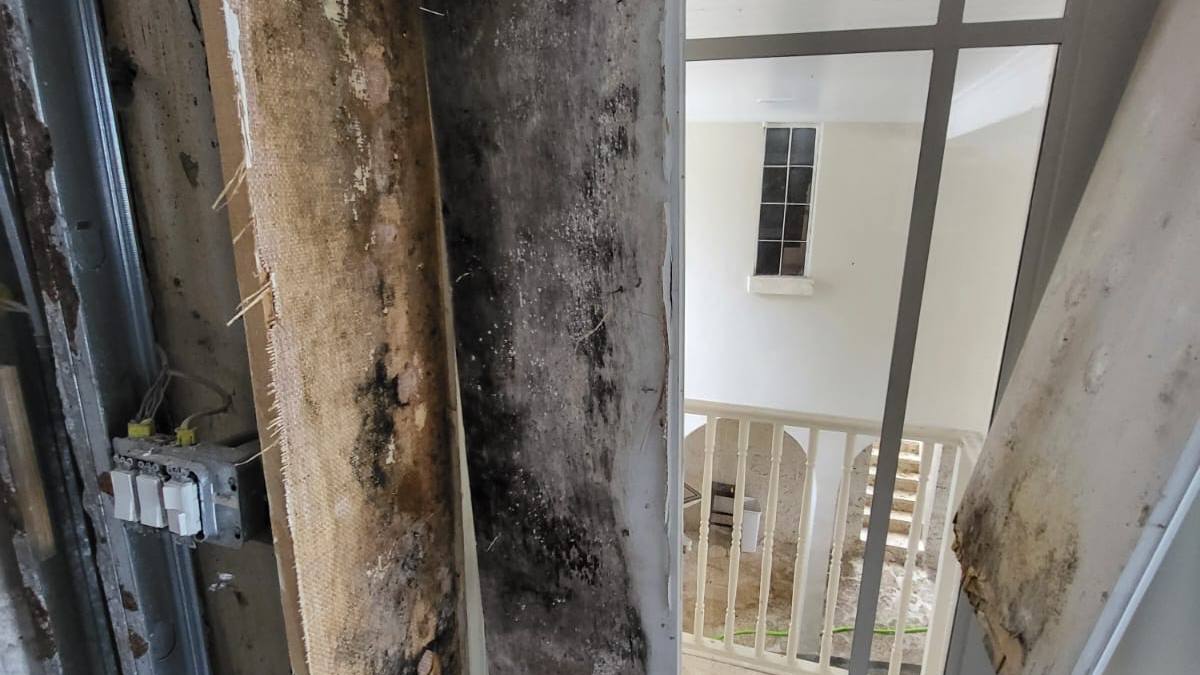
Although this mold can produce mycotoxins under certain conditions, simply finding black mold inside a home does not automatically mean dangerous toxin exposure.
The color of mold also tells you very little. Black, green, white, gray, or orange mold can all indicate moisture problems that require attention.
⸻
Can Mold Affect Your Health?
Yes.
Scientific evidence clearly shows that mold growth inside damp buildings can negatively affect health, particularly for people with:
- Asthma
- Mold allergies
- Chronic respiratory conditions
- Weakened immune systems
Common symptoms associated with mold exposure include:
- Sneezing
- Nasal congestion
- Runny nose
- Coughing
- Wheezing
- Eye irritation
- Skin irritation
- Asthma flare-ups
These health effects are well established and supported by medical research.
⸻
What About “Toxic Mold Syndrome”?
Over the last two decades, the phrase “Toxic Mold Syndrome” has become popular online.
It has been used to explain symptoms such as:
- Chronic fatigue
- Brain fog
- Memory problems
- Anxiety
- Depression
- Headaches
- Joint pain
- Difficulty concentrating
While these symptoms are very real for many people, current scientific evidence has not established that inhaling household mold toxins directly causes this collection of nonspecific illnesses.
Major health organizations reviewing available research have concluded that the evidence is currently insufficient to support these claims.
That doesn’t mean mold should be ignored—it simply means the relationship is far more complex than many advertisements suggest.
⸻
Why Did Toxic Mold Become So Well Known?
Public concern increased dramatically during the 1990s after researchers investigated several tragic infant lung hemorrhage cases in Cleveland, Ohio.
Early reports suggested a possible connection between water-damaged homes containing Stachybotrys chartarum and the illnesses.
However, later reviews determined there were significant limitations in the investigation, and researchers concluded there was not enough evidence to establish a direct causal relationship.
Despite those findings, extensive media coverage led to widespread public concern, numerous lawsuits, and the continued popularity of the term “toxic mold.”
⸻
Are Urine Mycotoxin Tests Reliable?
Many functional medicine clinics and online companies sell urine mycotoxin testing.
Homeowners should understand several important limitations:
- Most tests are not FDA approved for diagnosing mold-related illness.
- There are no universally accepted “safe” or “dangerous” urine mycotoxin levels.
- False positives and false negatives may occur.
- Results often cannot determine where exposure happened.
Because of these limitations, many medical experts do not recommend urine mycotoxin testing as a stand-alone method for diagnosing illness caused by indoor mold.
⸻
The Real Problem Is Moisture
One fact that nearly every expert agrees on is simple:
Water damage creates mold problems.
Leaks, flooding, roof failures, plumbing issues, condensation, and elevated indoor humidity allow mold to grow quickly.
Removing visible mold without fixing the moisture source almost always leads to recurring growth.
That is why professional remediation focuses on:
- Identifying the moisture source
- Stopping active water intrusion
- Drying structural materials
- Removing contaminated materials when necessary
- HEPA air filtration
- Proper containment
- Cleaning affected areas
- Verifying moisture levels before reconstruction
⸻
Does Black Mold Require Special Treatment?
Not necessarily.
Professional mold remediation follows the same industry principles regardless of mold color or species.
The priority is:
- Finding the moisture source
- Preventing cross-contamination
- Removing contaminated materials safely
- Cleaning remaining surfaces
- Restoring healthy indoor conditions
Testing every mold colony before remediation is often unnecessary unless specifically required by insurance, legal proceedings, or medical recommendations.
⸻
When Should You Call a Mold Professional?
You should schedule an inspection if you notice:
- A persistent musty odor
- Visible mold growth
- Water stains on ceilings or walls
- Recent flooding
- Roof leaks
- Plumbing leaks
- High indoor humidity
- Condensation problems
- Recurring mold after cleaning
- Family members experiencing allergy symptoms that worsen indoors
Early intervention often prevents significantly more expensive structural repairs.
⸻
Professional Mold Remediation in South Florida
South Florida’s warm temperatures and high humidity create ideal conditions for mold growth.
At Masterpros, we provide:
- Mold inspections
- Moisture detection
- Thermal imaging
- Mold remediation
- Water damage restoration
- Structural drying
- HEPA air filtration
- Odor removal
- Post-remediation cleanup
We proudly serve homeowners and businesses throughout:
- Hollywood
- Fort Lauderdale
- Hallandale Beach
- Pembroke Pines
- Miramar
- Davie
- Plantation
- Weston
- Cooper City
- Aventura
- Sunny Isles Beach
- Miami
- Coral Gables
- Boca Raton
- Deerfield Beach
- Dania Beach
- Surrounding Broward and Miami-Dade Counties
⸻
Final Thoughts
The internet contains a great deal of misinformation about mold.
Current scientific evidence clearly supports that damp indoor environments and mold growth can contribute to respiratory symptoms, allergic reactions, and asthma, but there is not sufficient evidence to conclude that household mold exposure directly causes the broad collection of symptoms commonly described as “Toxic Mold Syndrome.”
Regardless of the terminology, visible mold is always a sign of excess moisture—and excess moisture should never be ignored.
If you suspect mold in your home, the best solution is a professional inspection, accurate moisture detection, and evidence-based remediation to restore a healthy indoor environment.
⸻
Need Mold Removal in Hollywood, Fort Lauderdale, or Miami?
If you’ve discovered mold, experienced water damage, or notice a persistent musty odor, Masterpros is ready to help. Our licensed mold remediation specialists provide fast response, advanced moisture detection, and professional mold removal throughout Broward, Miami-Dade, and nearby South Florida communities.
Call today for a FREE mold inspection and protect your home before the damage gets worse.