
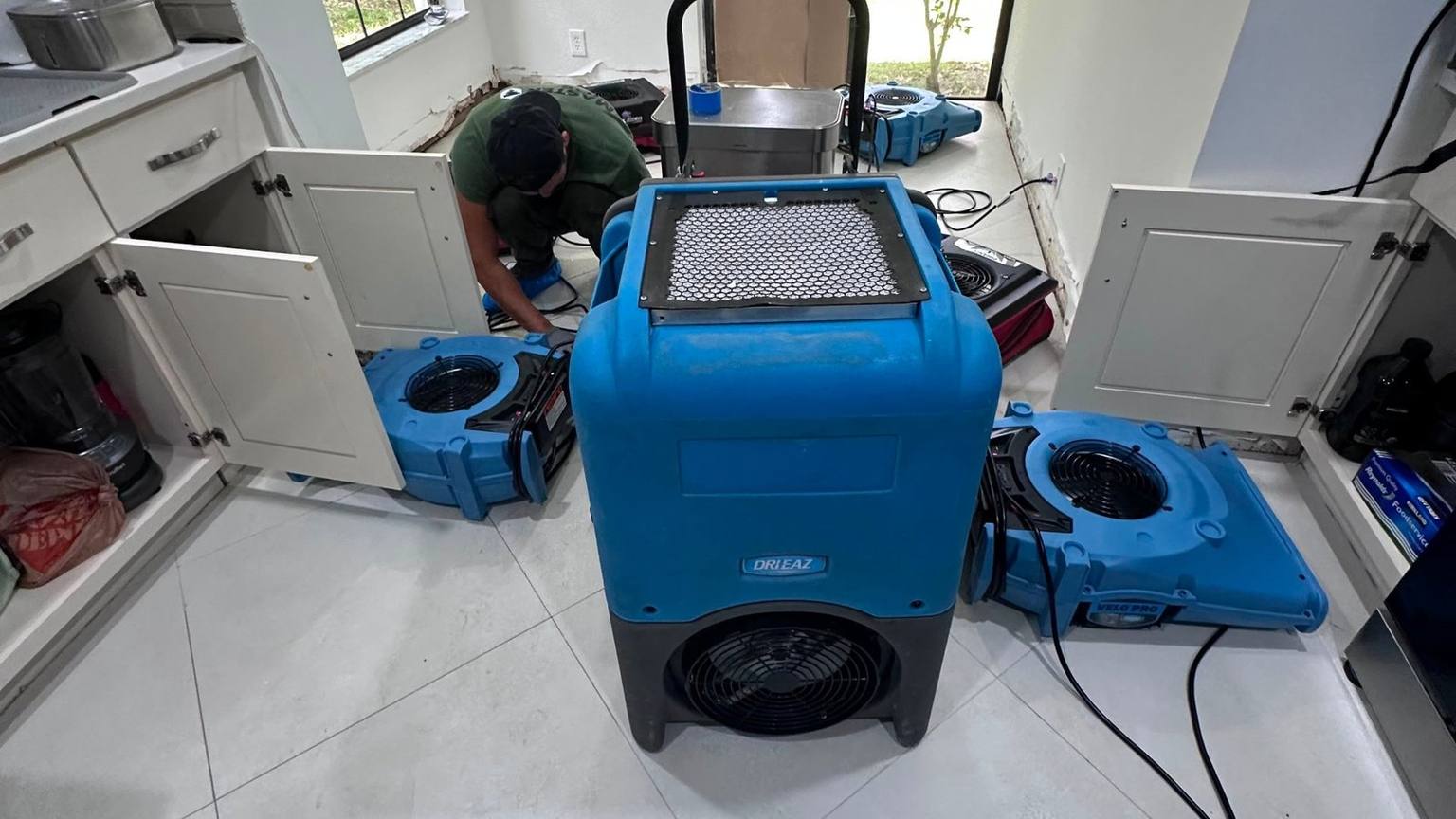
Quick answer: Learn how to document water damage for insurance the right way. Masterpros guides South Florida homeowners through every step.
How to Document Water Damage for Your Insurance Claim: A Step-by-Step Guide
Hollywood • Fort Lauderdale • Miami, FL
By the Masterpros Restoration Team • 9-min read
Water damage happens fast. A pipe bursts, a storm floods the garage, or an appliance fails overnight. By the time you realize what has happened, the instinct is to start cleaning up. However, the single most important thing you can do for your insurance claim is to stop — and document first.
To document water damage for insurance, you need to photograph every affected area before touching anything, record a narrated video walkthrough, create a written inventory of all damaged items, obtain professional moisture readings, and log every communication with your insurer. This water damage insurance claim documentation is what your adjuster uses to calculate your payout. Gaps in the record cost homeowners money every single day.
Water damage insurance claims in South Florida are filed more frequently than almost anywhere else in the country. Between aging plumbing infrastructure, hurricane season, tropical storms, and year-round humidity, Hollywood, Fort Lauderdale, and Miami homeowners face water damage events at an elevated rate. And the documentation mistakes made in the first hour consistently determine whether those claims are paid in full or reduced.
At Masterpros, we respond to water damage events across South Florida and document every job in the exact format insurance adjusters require. This guide gives you that same framework — so you know what to capture from the moment damage is discovered.
⚠️ Florida claim deadline: Florida law (updated 2023) gives homeowners 1 year from the date of the loss to file a property damage insurance claim. Missing this deadline results in complete claim denial. Open your claim immediately — before professional cleanup begins.
Key Takeaways
- Document before you clean anything. Cleaning or removing damaged materials before the adjuster inspects can reduce or void your claim.
- Photographs and video are your strongest evidence. Wide-angle room shots, waterline close-ups, all damaged items with serial numbers visible, and a narrated video walkthrough.
- A written home inventory of every damaged personal property item — with approximate age, value, and replacement cost — is required for contents coverage.
- Moisture meter readings from a licensed restoration company serve as objective technical documentation that insurers cannot easily dispute.
- Florida's 1-year claim filing deadline (updated 2023) applies to all water damage events. File before cleanup is complete — not after.
- A written scope of loss from a licensed contractor is often the single most persuasive document in a water damage claim.
- Masterpros prepares all documentation in the format insurance adjusters require across Hollywood, Fort Lauderdale, and Miami, FL.
How to Document Water Damage for Insurance: Step by Step
The moment water damage is discovered, the documentation clock starts. Every step below should happen before any cleanup begins. The sequence matters.
Step 1: Photograph Everything Before Touching Anything
Your photos are your primary water damage claim evidence. Adjusters use them to verify the scope, location, and severity of damage. A weak photo set leads to a disputed or reduced claim.
Here is the exact shot list for how to photograph water damage for insurance:
- Wide-angle shots from the doorway of every affected room — establishes the spatial context of damage
- Waterline close-ups on walls — shows exactly how high water reached
- Close-ups of all damaged materials: flooring, baseboards, drywall, ceilings, insulation
- All damaged appliances and electronics: model or serial numbers must be visible in the frame.
- The source of the water damage: burst pipe, failed water heater, roof breach, overflow point
- Structural damage: ceiling collapse, floor buckling, wall separation, foundation cracks
Verify that your phone's date and time are correct before you start. Adjusters and courts use photo timestamps as evidence of when damage occurred. After shooting, immediately back up everything to cloud storage — Google Photos, iCloud, or Dropbox — before doing anything else. Water events can damage phones. Lost photos mean a weaker claim.
Step 2: Record a Narrated Video Walkthrough
A continuous video walkthrough often carries more weight with adjusters than still photos alone. It shows spatial relationships, the extent of spread, and damage that is difficult to capture in a single frame.
Walk through every affected room. Narrate as you go: what you see, where the damage extends, anything unusual. Open cabinet doors, drawers, and closets that may have been reached by water. Show underneath sinks and inside access panels where it is safe to do so. State the date and time verbally at the start of the recording.
Tip: adjusters often look for what was not shown as much as what was. A thorough walkthrough removes that ambiguity entirely.
Step 3: Create a Written Inventory of All Damaged Items
Contents coverage requires a written home inventory list. For every damaged item of personal property, record: the description (make, model, brand), approximate age, estimated original purchase price, estimated replacement cost at current prices, and the serial or model number if visible.
Work room by room. Do not skip items because they seem minor — contents coverage accumulates. Furniture, electronics, clothing, appliances, tools, and even food in a refrigerator that lost power are all potentially claimable. Pull bank and credit card statements to reconstruct purchase dates and amounts for items where receipts no longer exist. Most banks provide seven years of transaction history.
Step 4: Obtain Professional Moisture Meter Readings
This is the step most homeowners miss — and one of the most valuable for a contested claim. Moisture meter readings document exactly which materials are wet, how deeply they are saturated, and the baseline against which drying progress is measured. This technical documentation is objective and measurable, not just photographic.
At Masterpros, moisture mapping using calibrated meters and thermal imaging is a standard part of every water damage response. That documentation package — readings before, during, and after drying — is prepared in the exact format insurance adjusters require and submitted directly to support your claim.
Our water damage restoration services include full documentation from first assessment through final clearance — everything your adjuster needs in one organized file.
Step 5: Log Every Communication with Your Insurer
From the first call through final settlement, every insurer communication should be logged. Record the date, time, name of the representative, and a summary of what was discussed and agreed upon. Request written confirmation of anything communicated verbally. Follow up calls with an email summary: "This confirms our conversation today in which you stated..."
This log becomes critical evidence if the claim is later disputed. Most homeowners who encounter claim disputes have no record of what was promised. A restoration company like Masterpros maintains this log as part of the coordination process.
Water Damage in South Florida? Masterpros Documents Everything. Our team prepares the exact documentation insurance adjusters require — moisture readings, written scope, photo evidence, and full claim coordination. Hollywood • Fort Lauderdale • Miami. Call Masterpros Now | Request a Free Assessment • Licensed • IICRC-Certified • Insurance Claim Coordination Included on Every Job
Water Damage Documentation Checklist for Florida Homeowners
Use this checklist after any water damage event. Share it with your restoration contractor to confirm every documentation step is covered before any cleanup begins.
Immediate documentation — before any cleanup
- ✔ Photograph every affected room from the doorway (wide-angle, full room)
- ✔ Photograph waterlines on walls and floors
- ✔ Photograph all damaged materials: flooring, drywall, insulation, ceilings
- ✔ Photograph all damaged appliances and electronics with serial numbers visible
- ✔ Photograph the source of the water damage
- ✔ Record a continuous narrated video walkthrough of all affected areas
- ✔ Immediately back up all photos and video to cloud storage
Written documentation
- ✔ Create a written inventory of all damaged personal property (item, age, value, serial number)
- ✔ Gather receipts, warranty cards, or credit card statements for damaged items
- ✔ Note the date, time, and estimated start of the water event
- ✔ Start a communication log: date, time, representative name, summary of all insurer calls
Professional documentation — from restoration company
- ✔ Moisture meter readings of all affected materials before drying begins
- ✔ Thermal imaging report showing moisture penetration depth
- ✔ Equipment logs showing what was deployed and for how long
- ✔ Written scope of loss with room-by-room measurements and material specifications
- ✔ Emergency repair receipts (extraction, tarps, board-up) — all typically reimbursable
Before the adjuster visit
- ✔ Organize all documentation into a single package for the adjuster
- ✔ Have your policy documents and policy number ready
- ✔ Be present during the inspection — walk every area with the adjuster
- ✔ Do not complete major cleanup before the adjuster has inspected
- ✔ Open your insurance claim before major cleanup begins

▶ Watch the Masterpros video on YouTube
What to Do Before the Insurance Adjuster Arrives
The insurance adjuster works for your insurer. Their job is to assess the loss within the terms of your policy. They are not your advocate. Being prepared for their visit — with a complete, organized documentation package — significantly affects the outcome.
What to Have Ready
- Your complete photo and video documentation
- The written home inventory of all damaged personal property
- All moisture meter readings from the restoration company
- Your insurer communication log
- Emergency repair receipts (extraction, tarps, board-up)
- A contractor estimate or written scope of loss
- Your policy documents and policy number
Be present during the inspection. Walk through every area with the adjuster. Point out all damage — including areas where the water spread beyond the original source but where there is no obvious visual damage yet. Items missed during the adjuster's inspection are typically excluded from the settlement offer.
The Written Scope of Loss: Your Most Persuasive Document
A written scope of loss is a room-by-room, measurement-by-measurement breakdown of all affected materials, required work, and associated costs. It is prepared by a licensed restoration contractor and submitted alongside or after the adjuster's estimate.
When an adjuster's estimate differs significantly from a contractor's scope, the written scope gives the homeowner a documented basis for negotiation. Masterpros prepares this document as a standard part of every restoration job in Hollywood, Fort Lauderdale, and Miami — in the format that makes the comparison process straightforward for adjusters.
Supplemental Claims: When Scope Expands During Restoration
In South Florida water damage jobs, hidden damage is common. Subfloor saturation discovered after flooring removal. Mold behind drywall that was not visible at the time of the adjuster's visit. HVAC contamination identified after inspection.
When damage expands during restoration, a supplemental claim can be filed. Document the additional damage carefully and immediately before it is remediated. Masterpros flags supplemental scope items in real time and files the supporting documentation alongside revised estimates.
For the full step-by-step process of filing a property damage claim in Florida, see our guide on how to file a property damage insurance claim in Florida.
Not Sure What Your Claim Needs? Masterpros Handles It. We prepare the written scope of loss, coordinate with your adjuster, and supplement claims when scope expands — across all of South Florida. Call Masterpros Now | Request a Free Assessment • Serving Hollywood • Fort Lauderdale • Miami • All of Broward & Miami-Dade
Why Water Damage Claims Get Denied — and How Documentation Prevents It
Poor documentation is the single most common reason water damage claims are reduced or denied in Florida. Here are the five failures that consistently cause claim problems — and how to avoid each one.
- No photos before cleanup. The adjuster cannot verify the claimed scope. Everything becomes a credibility dispute.
- Damaged items discarded before inventory. Contents coverage cannot be substantiated without documentation of what was lost.
- Late filing. Florida's 1-year deadline is firm. A claim filed even one day late is denied in full.
- Water source cannot be confirmed. Without dated photos of the source and timeline documentation, the insurer may dispute whether the event was sudden and accidental — the coverage trigger.
- Scope disputed with no professional evidence. Without moisture readings and a written scope of loss from a licensed contractor, the homeowner has no objective basis to challenge an undervalued adjuster estimate.
Additionally, South Florida's hurricane and flooding events create a documentation challenge that other regions do not face. A single storm event can produce wind damage, rain intrusion, storm surge flooding, and mold — each potentially covered under a different policy or coverage type. Documenting all damage comprehensively, even if you are not certain which category it falls under, is essential. Let the adjuster and the restoration company sort coverage. Your job is to capture everything.
If your damage came from a burst pipe specifically, our guide on what to do when a pipe bursts in South Florida covers the immediate response steps alongside the documentation process.
For a clear breakdown of what Florida homeowners insurance actually covers and what requires a separate flood policy, see does homeowners insurance cover water damage in Florida.
Worried Your Claim Might Be Denied? Masterpros Strengthens It. Proper documentation from a licensed restoration company is your best protection against a disputed or denied water damage claim in Florida. Call Masterpros Now | Request a Free Assessment • 24/7 Emergency Response • IICRC-Certified • Insurance Claim Coordination
Frequently Asked Questions
These are the water damage documentation questions Masterpros hears most often from South Florida homeowners.
What photos do I need for a water damage insurance claim? You need: wide-angle shots of every affected room, close-ups of waterlines on walls, photos of all damaged flooring and materials, photographs of every damaged appliance and piece of furniture with serial numbers visible, and a photo of the water source. Timestamp every image, and back up all photos to cloud storage immediately before touching anything.
Can I clean up before the insurance adjuster comes? For documentation, do not touch or remove anything until photos and video are complete. However, Florida policies require you to make emergency repairs to prevent further damage — shut off the water, tarp roof sections, extract standing water. Keep all receipts for emergency work. These costs are typically reimbursable. Do not begin major cleanup or material removal before the adjuster inspects.
How long do I have to file a water damage claim in Florida? Florida law (updated 2023) gives homeowners 1 year from the date of the loss to file a property damage insurance claim. Missing this deadline results in complete claim denial. Open your claim before professional cleanup begins — the filing date must fall within the statutory window regardless of how long the restoration process takes.
Does a restoration company help with insurance documentation? Yes — significantly. Masterpros prepares water damage documentation in the exact format adjusters require: moisture meter readings, thermal imaging reports, equipment logs, and a written scope of loss with room-by-room measurements. We communicate directly with your adjuster, supplement claims when scope expands, and coordinate the process from first call through final settlement.
What if I already cleaned up before documenting the damage? Document what remains immediately — staining and waterlines still visible on walls, damaged materials not yet discarded. Gather any photos taken at the time of the event. A licensed restoration company can conduct moisture testing to establish residual evidence of water penetration. Contact your insurer and a restoration professional as soon as possible — do not wait further.
The Right Documentation Changes the Outcome — Call Masterpros to Get It Right
Knowing how to document water damage for insurance is not just helpful — it is what determines whether your claim is paid in full. The homeowner who documents thoroughly and professionally consistently receives more than the homeowner who documents poorly, for the same damage. That gap is not about luck. It is about evidence.
In South Florida, where water damage events are frequent and claims are scrutinized closely, documentation quality matters more than anywhere else. The first hour after water damage is often the most important hour in the entire claims process. What you capture in that window — or fail to capture — follows your claim all the way through to settlement.
Masterpros provides full water damage restoration and insurance documentation services across Hollywood, Fort Lauderdale, and Miami. We respond 24 hours a day, seven days a week. Our IICRC-certified technicians document every job from the first moisture reading to the final clearance report — and that documentation package is what gets your claim approved at full value.
Water damage does not wait — and neither does the documentation window. Contact Masterpros today for a free assessment. We serve all of Broward County and Miami-Dade, and we are ready to respond now.
Masterpros Property Restoration Hollywood • Fort Lauderdale • Miami, FL Water Damage Restoration • Mold Remediation • Storm Damage • Insurance Coordination Call Now | Free Assessment | View All Services masterpros.org