
Quick answer: The difference between open and closed attic systems in Florida: Understanding heat, humidity, and mold Keeping your attic clean, comfortable, and energy efficient is one of the most important functions of your home. It is very important to ensure that the attic is properly insulated and sealed in Florida, where hot weather, high humidity, heavy rain, and constant air conditioning are common conditions. There are two common types of attics, open attics and closed attics. There is no doubt that both systems are capable of working, but each requires a comprehensive approach to insulation, air sealing, and moisture control. How Does an Open Attic System Work? A vented attic, also known as an open attic, allows outdoor air to circulate through designated ventilation openings. It is common to find soffit vents near the lower edges of the roof and exhaust vents near the top of the roof. Insulation is installed above the ceiling of the living area in this design. It is the ceiling of the air-conditioned home that separates it from the attic, which remains outside of the home's conditioned space. Ventilation openings alone are not sufficient to create a properly designed vented attic. A careful air seal must also be applied to the ceiling around wiring, plumbing, attic access panels, and other penetrations. The insulation should provide consistent coverage, and ventilation pathways should remain unobstructed. Generally, vented attics are less expensive to insulate, and exposed roof decking is easier to inspect for leaks and water damage. As a result of ventilation, outdoor air-including Florida's high humidity-is introduced into the attic. The presence of ventilation alone does not guarantee a dry environment. How Does a Closed Attic System Work? In contrast, a closed attic, also known as an unvented attic, uses a different approach. In place of placing the insulation boundary at the ceiling, the insulation and air barrier follow the roofline and surrounding enclosure. As a result, the attic is brought inside the home's thermal envelope. As part of the design, conventional attic ventilation openings are eliminated. One method is to spray foam beneath the roof decking. There are also other roof insulation assemblies that can be used to create an unvented attic when they are properly designed. Due to the fact that the equipment operates within the insulated enclosure, this approach may be beneficial to homes with air handlers or ductwork located in the attic. In spite of this, an unvented attic still requires a deliberate moisture-control strategy. It may be necessary to condition or dehumidify the system, depending on the assembly and operating conditions. By simply enclosing the attic, humidity cannot be controlled. The importance of Florida's humidity Often, problems associated with attic moisture are caused by the interaction between humid air and cold surfaces. Whenever a surface is at or below the dew point of the surrounding air, condensation occurs. When humid air reaches the cold AC ductwork in a Florida attic, it can act as a condensation surface. According to Building Science Corporation, hot, humid climates can lead to high attic humidity and condensation on air conditioning components. Therefore, even if there is no active roof leak, an attic can experience moisture problems. In the case of homeowners, the practical lesson is that moisture analysis should take into account the roof, attic enclosure, insulation, and HVAC system as a whole. Is it possible to convert a vented attic by blocking the vents? A properly designed closed attic cannot be achieved by blocking the soffit, ridge, or gable vents alone. Conversions change the location of the home's air and insulation boundaries. The roofline, attic walls, penetrations, insulation materials, and moisture-control approach must all be integrated. Closing ventilation openings while maintaining the original ceiling-level insulation arrangement should not be considered a standard conversion procedure. Whenever a conversion is proposed, it must be evaluated and designed specifically for the assembly. Is spray foam effective in preventing mold growth? Spray foam can be part of an effective unvented attic system, but it is not a substitute for moisture management. An insulated attic still requires proper installation, a functioning roof assembly, and moisture control. As part of its guidance, Building Science Corporation discusses strategies for removing moisture from unvented roof assemblies and for drying them. Insulation and roof design determine the appropriate approach. Before choosing a conversion or adding insulation to an attic, homeowners should understand how their attic is intended to control humidity. What is the best attic system for your home? The answer to this question is not the same for every Florida property. When the ceiling can be adequately air sealed and insulated, a vented attic may be a practical choice. Unvented attics may offer advantages when HVAC equipment is located in the attic or when complex ceiling layouts make it difficult to maintain a continuous ceiling-level boundary. Studies conducted in Florida have shown that sealed attic designs can perform well in hot climates, particularly when ductwork is located in the attic. Building design and installation quality have a significant impact on the result. You should consider your roof configuration, existing insulation, HVAC location, moisture history, and the condition of the building enclosure when making your decision. Are you concerned about moisture or mold in your attic? Schedule an inspection if you notice musty odors, visible growth, wet insulation, water staining, or condensation around your attic ductwork. Our approach at Masterpros involves investigating moisture conditions and developing a remediation plan based on those findings. To prevent recurring damage, roof, insulation, and HVAC corrections should be addressed alongside remediation. Masterpros — Property Damage Specialists Serving Broward and Miami-Dade Free inspections: masterpros.org 305-791-9248
The difference between open and closed attic systems in Florida: Understanding heat, humidity, and mold
Keeping your attic clean, comfortable, and energy efficient is one of the most important functions of your home. It is very important to ensure that the attic is properly insulated and sealed in Florida, where hot weather, high humidity, heavy rain, and constant air conditioning are common conditions.
There are two common types of attics, open attics and closed attics. There is no doubt that both systems are capable of working, but each requires a comprehensive approach to insulation, air sealing, and moisture control.
How Does an Open Attic System Work?
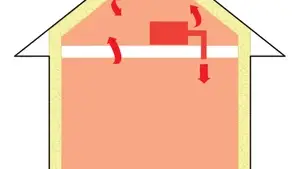
A vented attic, also known as an open attic, allows outdoor air to circulate through designated ventilation openings. It is common to find soffit vents near the lower edges of the roof and exhaust vents near the top of the roof.
Insulation is installed above the ceiling of the living area in this design. It is the ceiling of the air-conditioned home that separates it from the attic, which remains outside of the home's conditioned space.
Ventilation openings alone are not sufficient to create a properly designed vented attic. A careful air seal must also be applied to the ceiling around wiring, plumbing, attic access panels, and other penetrations. The insulation should provide consistent coverage, and ventilation pathways should remain unobstructed.
Generally, vented attics are less expensive to insulate, and exposed roof decking is easier to inspect for leaks and water damage. As a result of ventilation, outdoor air-including Florida's high humidity-is introduced into the attic. The presence of ventilation alone does not guarantee a dry environment.
How Does a Closed Attic System Work?
In contrast, a closed attic, also known as an unvented attic, uses a different approach. In place of placing the insulation boundary at the ceiling, the insulation and air barrier follow the roofline and surrounding enclosure.
As a result, the attic is brought inside the home's thermal envelope. As part of the design, conventional attic ventilation openings are eliminated.
One method is to spray foam beneath the roof decking. There are also other roof insulation assemblies that can be used to create an unvented attic when they are properly designed.
Due to the fact that the equipment operates within the insulated enclosure, this approach may be beneficial to homes with air handlers or ductwork located in the attic. In spite of this, an unvented attic still requires a deliberate moisture-control strategy. It may be necessary to condition or dehumidify the system, depending on the assembly and operating conditions. By simply enclosing the attic, humidity cannot be controlled.
The importance of Florida's humidity
Often, problems associated with attic moisture are caused by the interaction between humid air and cold surfaces.
Whenever a surface is at or below the dew point of the surrounding air, condensation occurs. When humid air reaches the cold AC ductwork in a Florida attic, it can act as a condensation surface.
According to Building Science Corporation, hot, humid climates can lead to high attic humidity and condensation on air conditioning components. Therefore, even if there is no active roof leak, an attic can experience moisture problems.
In the case of homeowners, the practical lesson is that moisture analysis should take into account the roof, attic enclosure, insulation, and HVAC system as a whole.
Is it possible to convert a vented attic by blocking the vents?
A properly designed closed attic cannot be achieved by blocking the soffit, ridge, or gable vents alone.
Conversions change the location of the home's air and insulation boundaries. The roofline, attic walls, penetrations, insulation materials, and moisture-control approach must all be integrated.
Closing ventilation openings while maintaining the original ceiling-level insulation arrangement should not be considered a standard conversion procedure. Whenever a conversion is proposed, it must be evaluated and designed specifically for the assembly.
Is spray foam effective in preventing mold growth?
Spray foam can be part of an effective unvented attic system, but it is not a substitute for moisture management.
An insulated attic still requires proper installation, a functioning roof assembly, and moisture control. As part of its guidance, Building Science Corporation discusses strategies for removing moisture from unvented roof assemblies and for drying them. Insulation and roof design determine the appropriate approach.
Before choosing a conversion or adding insulation to an attic, homeowners should understand how their attic is intended to control humidity.
What is the best attic system for your home?
The answer to this question is not the same for every Florida property.
When the ceiling can be adequately air sealed and insulated, a vented attic may be a practical choice. Unvented attics may offer advantages when HVAC equipment is located in the attic or when complex ceiling layouts make it difficult to maintain a continuous ceiling-level boundary.
Studies conducted in Florida have shown that sealed attic designs can perform well in hot climates, particularly when ductwork is located in the attic. Building design and installation quality have a significant impact on the result.
You should consider your roof configuration, existing insulation, HVAC location, moisture history, and the condition of the building enclosure when making your decision.
Are you concerned about moisture or mold in your attic?
Schedule an inspection if you notice musty odors, visible growth, wet insulation, water staining, or condensation around your attic ductwork.
Our approach at Masterpros involves investigating moisture conditions and developing a remediation plan based on those findings. To prevent recurring damage, roof, insulation, and HVAC corrections should be addressed alongside remediation.
Masterpros — Property Damage Specialists Serving Broward and Miami-Dade Free inspections: masterpros.org 305-791-9248