
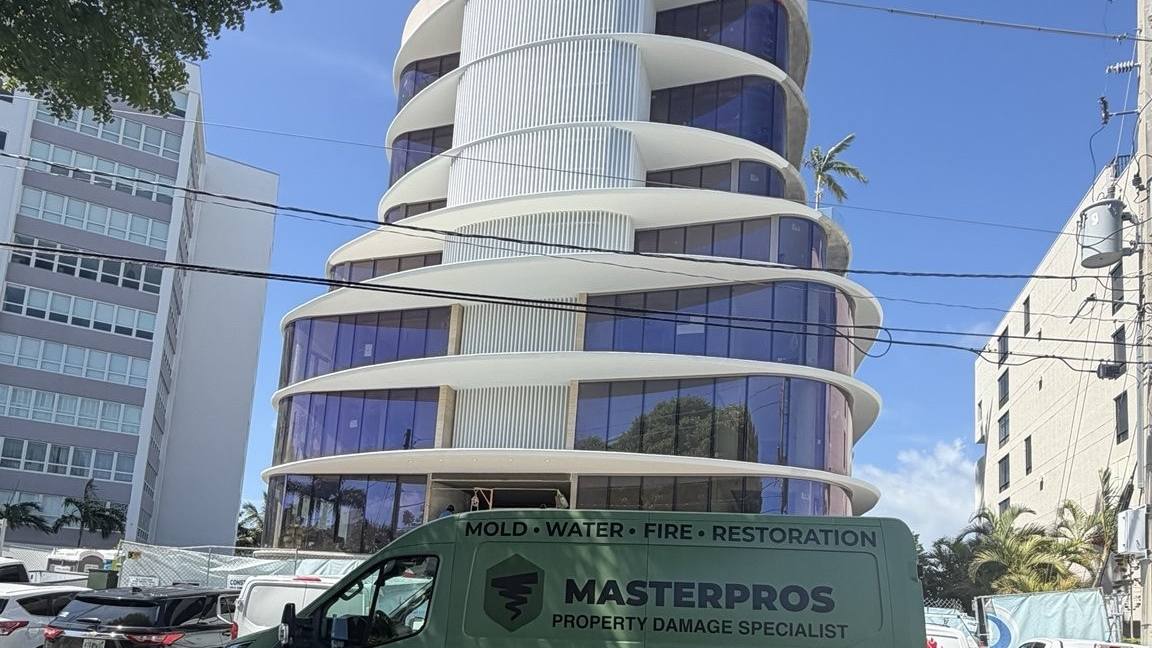
Quick answer: What to Do in the First 24 Hours After a Flood in Your South Florida Home.
What to Do in the First 24 Hours After a Flood in Your South Florida Home
Hollywood • Fort Lauderdale • Miami, FL
The floodwater has stopped rising. The storm has passed. And now you are standing in your home, in Hollywood, Fort Lauderdale, or Miami, looking at ruined flooring, soaked walls, and belongings you are not sure can be saved. The silence after a flood is one of the most disorienting moments a homeowner can experience. You want to do something. You just do not know where to start.
Here is what you need to know upfront, in plain terms: what you do in the first 24 hours after a flood directly determines how long the full restoration takes, how much it costs, and how much your insurance will actually pay. The right actions in the right order can mean the difference between a 3 week repair and a 6 month ordeal.
At Masterpros, we have guided hundreds of South Florida homeowners through this exact moment. What to do after flooding in South Florida is genuinely different from flood response advice written for drier climates. The subtropical heat and near constant humidity here mean mold can begin growing on wet surfaces within 24 to 48 hours, sometimes faster. That timeline compresses everything and makes speed the most important variable in your recovery.
This guide gives you the exact steps to take after flood damage in the first 24 hours, in the right order, so you protect your home, your health, and your insurance claim from the moment the water recedes.
Quick answer: The first steps to take after a flood are: (1) confirm it is safe to enter, (2) document all damage before touching anything, (3) call your insurance company to open a claim, (4) call a licensed South Florida restoration company immediately for emergency water extraction. Do not wait. Every hour matters.
Key Takeaways
- Do NOT enter your home until the electricity is confirmed off and the structure is safe. Flood water can conduct a fatal current.
- Flood water in South Florida is frequently contaminated with raw sewage. Treat it as a biohazard and wear protective equipment before entering.
- Mold begins growing in 24 to 48 hours in South Florida's climate. Professional drying must begin within the first 24 hours, not after the weekend.
- Document all damage with photos and video before touching or removing anything. This documentation is the foundation of your insurance claim.
- Call your insurance company first, before any cleanup begins. Removing damaged items before the adjuster sees them can reduce or deny your payout.
- Standard homeowners insurance does NOT cover flood damage. That requires a separate flood policy through NFIP or a private carrier.
- Call Masterpros within hours, not days. 24/7 emergency flood response across Hollywood, Fort Lauderdale, and Miami, FL.
Flooded Home? We Respond 24/7 Across South Florida. Call Masterpros now for immediate emergency water extraction in Hollywood, Fort Lauderdale & Miami, FL.
Call Masterpros Now | Request a Free Assessment
Licensed • Insured • Local South Florida Restoration Experts
Step 1 — Do Not Enter Until It Is Safe
Before anything else, before you grab a mop, before you check on your belongings, before you take a single photograph, you need to confirm that your home is safe to enter. A flooded home carries three immediate threats that have nothing to do with the water itself: live electricity, structural compromise, and contaminated floodwater. Any one of them can cause serious harm or death.
Shut Off Electricity First
The single most important action before re-entering a flooded home is confirming that power is off. Even an inch of standing water can conduct a fatal electrical current if an outlet, appliance, or wiring is submerged. If your circuit breaker is in the garage or a dry area of the home, shut it off before entering. If your breaker is inside the flooded zone, do not enter. Call Florida Power & Light (FPL) or Tampa Electric (TECO) to disconnect power from outside the home before you go in.
Check for Structural Damage from Outside
Walk the perimeter of your home and look for signs of structural compromise before stepping inside: visible cracks in the foundation or exterior walls, a shifted or sagging roofline, doors or windows that no longer sit square in their frames, or a chimney that has moved. If any of these are present, wait for a professional structural inspection before entering. The cost of a few more hours of patience is nothing compared to the risk of a wall or ceiling giving way.
Understand What Is in the Water
This is the detail that changes everything about flood response in South Florida. After heavy rain and storm surge events, the municipal sewer systems in Miami, Fort Lauderdale, and Hollywood regularly overflow. That means floodwater flowing into your home is frequently mixed with raw sewage, what restoration professionals call black water or category 3 water. It contains E. coli, Hepatitis A, Norovirus, and other serious pathogens.
If you must enter a flooded home before a restoration crew arrives, wear waterproof boots, rubber gloves, and an N95 mask at minimum. Do not let floodwater contact any open wounds. Do not allow children or pets into a flooded space under any circumstances until it has been professionally extracted and sanitized.
⚠️ Warning: South Florida flood water is not the same as rainwater. After any significant storm event, assume the water in your home contains sewage contamination and treat it accordingly. Masterpros technicians use full protective equipment during all flood extraction work.
Step 2 — Document Everything Before You Touch Anything
Once you have confirmed it is safe to enter, your first action should be documentation, not cleanup. This is the step that homeowners most often skip out of urgency, and it is frequently the reason insurance claims get reduced or denied. The rule is simple: if you move it, remove it, or throw it away before your insurance adjuster sees it, you may lose the ability to claim it.
Take Photos and Video of Every Room
Before touching a single piece of furniture or pulling up a single piece of flooring, walk the entire property with your phone and document everything. Here is the photography approach we recommend to all of our South Florida clients:
- Wide angle shots of every room showing the full extent of water intrusion
- Close up shots of water lines on walls. These establish how high the water rose
- All damaged appliances, electronics, and furniture with model or serial numbers visible where possible
- Exterior damage to the roof, windows, siding, and landscaping
- Any visible mold, warping, or structural damage
- A continuous video walkthrough of the property, often more compelling to adjusters than photos alone
Make sure every photo and video has a timestamp. Back everything up to a cloud service immediately. This documentation is the foundation of your insurance claim and the primary record of what your home looked like before the restoration process began.
Call Your Insurance Company Before Any Cleanup Begins
As soon as documentation is complete, or even while a family member continues documenting, call your insurance company to open a claim. This is not optional and it is not something to do after you have started cleaning up. The call itself starts the clock on adjuster scheduling and begins the formal claim process.
The most important thing to tell them: you have a flooded property, the water has receded, and you have documented the damage. Ask them what they need from you before any extraction or cleanup begins. Some carriers require an adjuster visit before any work starts on non emergency items. Emergency extraction and water mitigation, the steps that prevent mold, are universally recognized as urgent and should not wait for an adjuster.
📋 Insurance note: When Masterpros responds to a flood, our team documents damage in the exact format insurance adjusters require: measurement logs, moisture readings, photographic evidence, and written scope. This documentation is what gets claims approved and prevents underpayment. It is a core part of the service we provide, not an add on.
Internal link: "water mitigation" → How to Choose the Right Water Mitigation Company in Hollywood, Fort Lauderdale & Miami, FL
Step 3 — Remove Water and Begin Drying Immediately
After documentation and your insurance call, water removal begins, and in South Florida, this phase cannot wait. Here is why: in a subtropical climate with average relative humidity between 70 and 80 percent, mold can begin growing on wet building materials within 24 to 48 hours of water exposure. That is not a worst case scenario. In South Florida's summer heat, it is the baseline.
Emergency water extraction is not something a wet dry vacuum or a stack of towels can adequately address. Professional water extraction equipment removes water from inside building materials, from the pores of your subfloor, from inside your wall cavities, from beneath your tile or hardwood, not just from the surface you can see. The water you cannot see is the water that causes mold.
Why a Regular Fan Will Not Work
One of the most common mistakes South Florida homeowners make after a flood is setting up household fans and opening windows to dry things out. We understand the instinct, you want to do something immediately. But household fans move surface air. They do not reduce moisture inside building materials, and in South Florida's humidity, they actively work against you by circulating mold spores from wet areas into dry ones.
Professional restoration uses industrial air movers in combination with commercial grade dehumidifiers. The air movers push moisture out of building materials into the air. The dehumidifiers capture that moisture before it can settle elsewhere. This is a closed, controlled drying system. Running it in South Florida's outdoor humidity, which can exceed 90 percent during summer storm events, is why professional equipment is essential rather than optional.
⏱ Urgency: Mold growth begins within 24 to 48 hours in South Florida's climate. Professional emergency water extraction and industrial drying must start within the first 24 hours to prevent a containable water damage event from becoming a full mold remediation project, which adds weeks and significant cost.
What About Your Hardwood Floors?
Flood water damage to hardwood floors is one of the most common concerns we hear from South Florida homeowners, and one of the most salvageable situations when addressed quickly. Solid hardwood that is professionally dried within 24 to 48 hours can often be saved. Engineered hardwood is more vulnerable because the layered construction absorbs and retains moisture differently. Laminate flooring is almost always a total loss after flooding because the fiberboard core swells irreversibly on contact with water.
The important thing to know: do not make assumptions about what can or cannot be saved before a professional assessment. We have saved floors that homeowners were certain were ruined, and we have had to replace floors that looked fine on the surface but had extensive subfloor damage beneath. Professional moisture measurement tells you what a visual inspection cannot.
Air Purifier vs. Dehumidifier: Which Is Better for Your South Florida Home ]
Don't Let Water Sit — Every Hour Increases Mold Risk. Masterpros provides emergency water extraction and professional drying services across all of South Florida. We can be on site the same day.
Call Masterpros Now | Request a Free Assessment
Serving Hollywood • Fort Lauderdale • Miami • All of Broward & Miami-Dade
Step 4 — Know What to Save and What to Let Go
Once the water is being extracted and drying equipment is running, the next task is making decisions about your belongings. This is emotionally difficult, and practically complicated. Not everything that looks ruined is beyond saving. Not everything that looks salvageable actually is. Here is a practical guide to what our team looks for during the contents assessment phase.
Items That Can Often Be Saved
With prompt professional attention, the following categories of items are frequently restorable after flood damage in South Florida:
- Solid wood furniture that has been exposed to water but not submerged for an extended period. Structural integrity often survives; surface damage is cosmetically addressable.
- Hard surface items like metal, glass, ceramic, and stone. These are non porous and do not absorb water the way organic materials do.
- Electronics that were not submerged. If a device was splashed or in a humid environment but not underwater, professional electronics restoration can often recover it. Never attempt to power on a device that may have gotten wet.
- Clothing and soft textiles that were not exposed to black water contamination. Professional laundering and decontamination can restore most fabrics.
- Photographs and documents through specialist document restoration services. Even wet photos can be saved if handled correctly. Do not let them dry on their own.
Items That Usually Cannot Be Saved
Some materials simply cannot be adequately dried or decontaminated after flood exposure, particularly in South Florida's conditions:
- Particleboard and MDF furniture absorbs water and swells permanently. Once this happens, structural integrity is lost and mold colonizes the material quickly.
- Mattresses and upholstered furniture that have been exposed to black water. The contamination penetrates deep into foam and fabric in ways that cannot be adequately sanitized.
- Drywall below the waterline. Wet drywall becomes structurally compromised and is an ideal mold substrate. It must be removed and replaced.
- Wet insulation. Once fiberglass or cellulose insulation gets wet, it loses its insulating properties and retains moisture that feeds mold growth. It comes out.
- Laminate flooring. As noted above, the fiberboard core swells on contact with water. It cannot be dried and reinstalled successfully.
Before discarding anything, photograph it thoroughly for your insurance claim. Keep a written inventory of every item removed, including a description, approximate age, and estimated replacement value. This list is part of your claim documentation.
💡 South Florida tip: When to throw away furniture after flood damage often comes down to the water source. Items contaminated by black water (sewage mixed floodwater, which is common in South Florida after storms) should generally be discarded regardless of material. The health risk outweighs the replacement cost.
5 Critical Mistakes South Florida Homeowners Make After a Flood
Understanding what not to do after a flood is just as important as knowing the right steps. These five mistakes consistently extend restoration timelines, reduce insurance payouts, and increase total costs. We see them after every major flood event across Broward County and Miami-Dade.
- Using household fans instead of professional drying equipment. Fans spread mold spores from wet areas to dry ones in South Florida's humidity. They do not reduce moisture inside building materials. Only industrial air movers with commercial dehumidifiers create an effective drying environment. Switching from fans to professional equipment even a day into the process can mean the difference between salvaging your floors and replacing them.
- Cleaning up before calling your insurance company. This is the most expensive mistake homeowners make. Removing, discarding, or cleaning damaged items before an adjuster documents them gives your insurer grounds to reduce or deny the claim. Document everything first. Open the claim. Then start extraction under the guidance of your restoration company and insurer.
- Waiting days before calling a restoration company. We understand the instinct to assess the situation before calling for help. But in South Florida's subtropical climate, waiting 48 or 72 hours before beginning professional drying turns a manageable water damage job into a mold remediation project. The earlier we arrive, the more we can save, including your flooring, your walls, and your budget.
- Re-entering without shutting off electricity. Standing water and live electrical circuits in the same space can be lethal. This step is not negotiable. If you cannot safely reach your breaker, call FPL or TECO before entering. This takes an hour at most. It is worth every minute.
- Assuming standard homeowners insurance covers flood damage. Flood damage from rising water, storm surge, or an overflowing body of water is not covered under a standard Florida homeowners policy. It requires a separate flood insurance policy through the National Flood Insurance Program (NFIP) or a private carrier. Many South Florida homeowners discover this gap for the first time while standing in a flooded home. If you are not sure what your policy covers, call your agent today, before hurricane season intensifies.
Flood Damage and Insurance in Florida — What You Need to Know Right Now
One of the first questions we hear from South Florida homeowners after a flood is: "Am I covered?" The answer depends entirely on which type of damage occurred and what insurance policies you carry. Understanding the distinction is essential, and most homeowners do not know it until they need to.
The Flood Damage vs. Water Damage Insurance Distinction
Standard Florida homeowners insurance covers water damage from internal sources, a burst pipe, a failed water heater, an air conditioning unit that leaks. It also typically covers wind driven rain that enters through storm damaged openings. What it does not cover is flooding from rising water, storm surge, or an overflowing body of water. That is the flood damage vs. water damage insurance claim distinction that catches South Florida homeowners off guard every single hurricane season.
If your home flooded because of rising water from a storm, you need a separate flood insurance policy to have coverage. The two primary options in Florida are the National Flood Insurance Program (NFIP), administered through FEMA, and private flood insurance carriers. Both require a waiting period before coverage activates, typically 30 days, which means flood coverage is something you need to secure well before hurricane season, not during it.
FEMA Assistance for South Florida Flood Victims
If a federal disaster declaration is issued for your county, which happens regularly after major storm events in Broward County and Miami-Dade, FEMA flood assistance registration for Florida residents becomes available through DisasterAssistance.gov. You have 60 days from the disaster declaration date to register. FEMA assistance is not a replacement for insurance. It supplements uninsured and underinsured losses, covering things like temporary housing costs, essential repairs not covered by insurance, and some personal property losses.
Register as early as possible. The FEMA process takes time, and the earlier your application is in the system, the sooner assistance arrives.
📋 Coverage reminder: Review your homeowners and flood insurance policies every spring before hurricane season. Know your deductibles, your coverage limits, and whether your policy covers both wind damage and flood damage. If you are unsure, your insurance agent can walk you through it.
Hurricane Damage Restoration for Homes & Businesses in Hollywood, Fort Lauderdale & Miami, FL
Why Flooding in South Florida Demands Faster Action Than Anywhere Else
Generic flood response guides are written for average climates. South Florida is not average. The combination of subtropical heat, near constant humidity, hurricane season rainfall, aging municipal infrastructure, and FEMA flood zone designations creates a restoration environment unlike any other in the country. Understanding these local factors is what allows our team to respond effectively, and what makes choosing a locally rooted restoration company so important.
- Humidity accelerates the mold timeline. South Florida's average relative humidity runs 70 to 80 percent year round. In the hours after a flood event, interior humidity in a damaged home can spike far higher. Mold that might take 3 to 4 days to appear in a drier climate appears in 24 to 48 hours here. This is not a marketing claim, it is the documented biology of mold growth in warm, humid environments.
- Flooding is a recurring annual risk. Flood damage cleanup in Miami, Fort Lauderdale, and Hollywood is not a once in a generation event. South Florida is in active hurricane season from June through November, and heavy rainfall flooding, separate from storms entirely, affects many neighborhoods year round. Restoration companies with deep local experience understand the drainage patterns, the infrastructure, and the building stock here in ways that out of state contractors simply do not.
- Florida building codes are strict, and specific. Flood restoration work in Broward County and Miami-Dade must meet current Florida building codes, which include wind mitigation requirements, flood elevation standards, and specific materials specifications. Our team is licensed in Florida and familiar with the permitting requirements of both counties.
- Contractor fraud surges after every flood event. After any significant flood or hurricane in South Florida, unlicensed contractors appear with low prices and urgent timelines. They often take deposits and disappear, or do substandard work that fails inspection. Always verify a Florida contractor license before signing any agreement. Masterpros is fully licensed and insured, with a local track record our clients can verify.
Internal link: "how long does restoration take" → How Long Does Hurricane Damage Restoration Take? A South Florida Timeline
Property Restoration Explained
Questions About Your Flood Damage or Insurance Claim? Masterpros works directly with your insurance company to document damage, coordinate adjusters, and fight for the full settlement you deserve. Let us handle the process while you focus on your family.
Call Masterpros Now | Request a Free Assessment
Free assessment • No obligation • Available 24/7 for flood emergencies
Frequently Asked Questions About Flood Damage in South Florida
The following questions come directly from South Florida homeowners and business owners who have contacted Masterpros after a flood. Each answer is written to be direct, accurate, and useful for someone making decisions in real time.
What should I do immediately after a flood in my South Florida home?
The immediate steps after a flood are: confirm the electricity is off before entering, check for structural damage from outside, document all damage with photos and video before touching anything, call your insurance company to open a claim, and contact a licensed South Florida restoration company for emergency water extraction. In South Florida's climate, every hour without professional drying increases mold risk significantly.
Is it safe to enter my home after flooding?
Only if two conditions are met: the electricity is confirmed off and there are no visible signs of structural compromise. South Florida flood water frequently contains sewage contamination, so wear waterproof boots, gloves, and an N95 mask if you must enter before a professional crew arrives. Do not allow children or pets into a flooded space until it has been professionally extracted and sanitized.
How long does it take for mold to grow after a flood?
In South Florida's subtropical climate, mold can begin growing on wet surfaces within 24 to 48 hours of water exposure, significantly faster than in drier regions. This is the reason professional water extraction and industrial drying must begin within the first 24 hours. Waiting until the next day, or over a weekend, frequently turns a manageable water damage situation into a mold remediation project that adds weeks and substantial cost.
Does homeowners insurance cover flood damage in Florida?
No. Standard Florida homeowners insurance covers wind damage and water damage from internal sources such as burst pipes or appliance failures, but it does not cover flooding from rising water, storm surge, or overflowing bodies of water. That requires a separate flood insurance policy through the National Flood Insurance Program or a private carrier. If a federal disaster is declared, FEMA assistance may also be available through DisasterAssistance.gov for uninsured losses.
How soon should I call a restoration company after a flood?
Within hours of the water receding, as soon as it is safe to do so. Masterpros serves Hollywood, Fort Lauderdale, Miami, and all of Broward and Miami-Dade counties with 24/7 emergency flood response. The earlier we arrive, the more we can save: flooring, walls, cabinetry, and personal property all have a much better outcome when drying begins in the first 24 hours rather than days later.
Act Now — Every Hour Counts After a Flood in South Florida
The steps to take after a flood in South Florida are not complicated, but they have to happen in the right order and they have to happen fast. Confirm the home is safe. Document everything. Call your insurance company. Call Masterpros. These four actions, taken in sequence within the first hours after a flood, give your home the best possible chance at a full, cost effective recovery.
We have helped homeowners and businesses across Hollywood, Fort Lauderdale, and Miami navigate flood damage from Category 1 storms and major hurricane events alike. We know the local permitting process, the insurance carriers that operate in South Florida, and the specific mold and humidity conditions that make fast response so critical here. When you call us, you are not getting a national call center routing your job to an unfamiliar crew. You are getting a local team that has worked in your neighborhood, understands your building type, and is invested in this community.
Flood damage does not wait. Neither do we.
Masterpros Property Restoration Hollywood • Fort Lauderdale • Miami, FL
24/7 Emergency Response • Licensed & Insured • Insurance Claim Coordination
Call Now | Request Free Assessment | See All Services
Masterpros.org